Most global spice buyers and home cooks
frequently mix up **Chinese cassia sticks** with authentic Ceylon cinnamon.
Though both are universally labeled as cinnamon sticks in the international
spice market, Chinese scraped cassia stands apart in essential oil
concentration, cinnamaldehyde content, aromatic strength, natural coumarin
levels, and regional culinary applications. Mastering the correct ways to use
Chinese cassia and its key differences from Ceylon cinnamon helps food
manufacturers, spice blenders, and everyday users pick the ideal spice for
recipes and international food compliance rules.
Common Culinary Uses of Chinese Scraped
Cassia Sticks
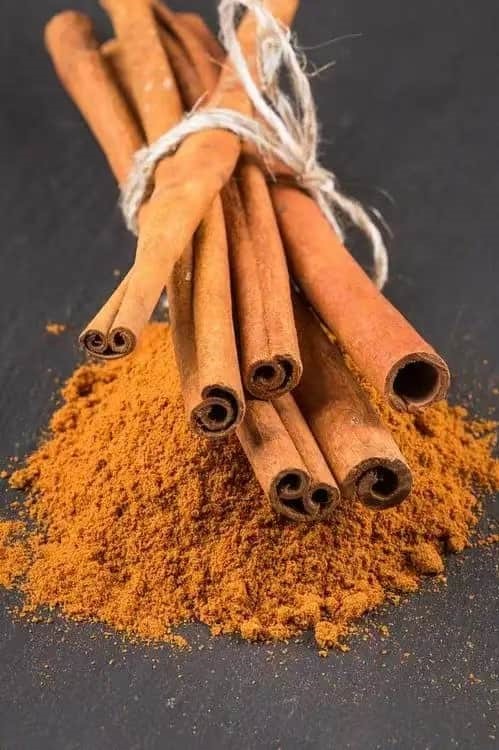
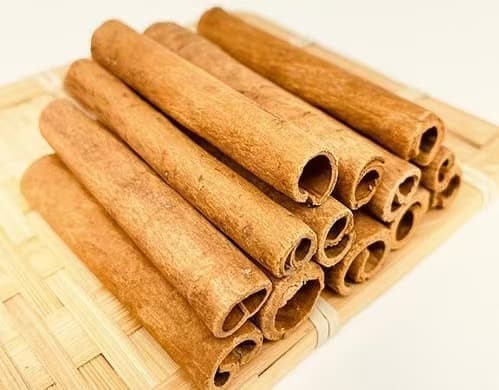
Premium scraped Chinese cassia sticks are
versatile natural spices exported widely for European industrial blending,
Japanese daily beverages, and global home cooking. Unlike fine cinnamon powder
that leaves persistent residue, whole cassia sticks deliver pure, clean flavor
infusion without unwanted debris, making them perfect for safe, repeatable
culinary use.
1. European Spice Blends and Slow
Cooking
Across Germany, Poland and Central Europe, Chinese
cassia sticks serve as a core ingredient for traditional winter spice mixes and
slow-cooked dishes.
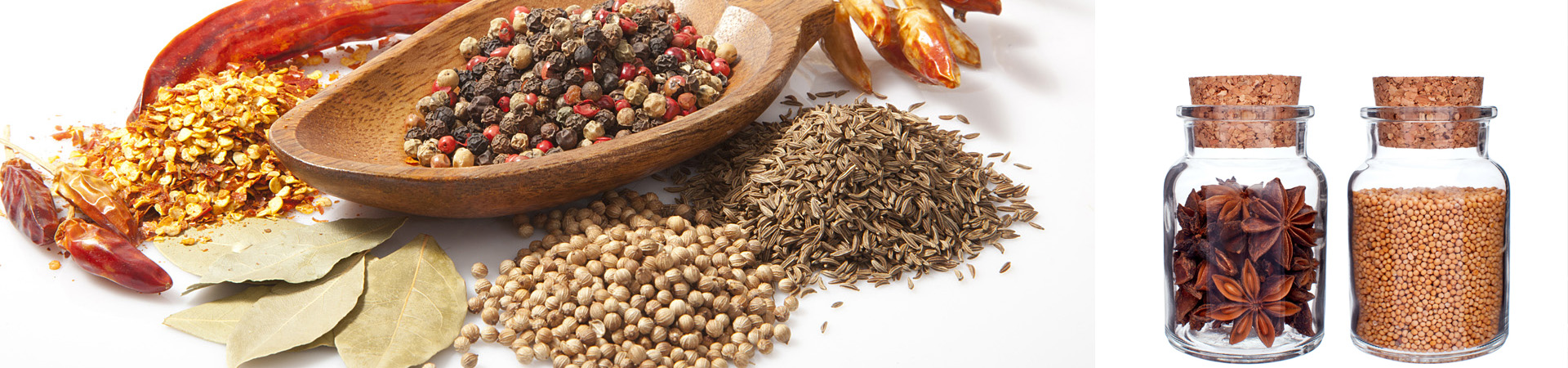
A classic, widely adopted European formula
combines **2 star anise with 5 Chinese cassia sticks**, specially formulated
for braised meats, stewed cuisines, fruit preserves, and iconic mulled wine.
European spice manufacturers favor whole
scraped cassia sticks for one major practical advantage: the intact spice stick
can be fully removed after cooking. This eliminates broken bark residues in
finished food and drinks, making Chinese cassia sticks the dominant choice for
commercial European spice packs.
2. Japanese Coffee and Daily Beverage
Application
The Japanese market favors thin, neatly
scraped Chinese cassia sticks as functional **coffee stirrers**.
When stirring hot coffee or herbal tea,
these cassia sticks gradually release warm, mellow aromatic compounds to
enhance the drink’s natural flavor. Users simply remove the stick after use,
creating a clean, refined drinking experience unique to Japanese consumer
habits.
3. Home Brewing, Herbal Tea and
Seasoning
Chinese cassia sticks are ideal for
crafting warm herbal infusions, seasonal wellness beverages, savory soup bases,
and meat marinades. Boasting stable aromatic properties and high essential oil
content, premium cassia elevates dish richness naturally, without artificial
flavor additives.
Core Comparison: Chinese Cassia Sticks
vs Ceylon Cinnamon
A common industry misconception claims
Ceylon cinnamon is superior simply due to its higher market price. In reality,
Chinese cassia and Ceylon cinnamon feature distinct functional advantages,
tailored for completely different commercial and household usage scenarios.
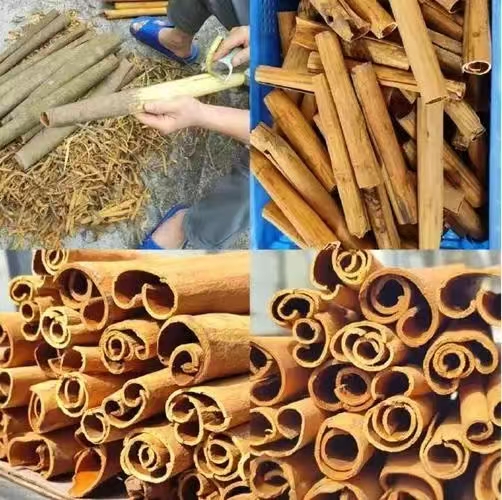
Chinese Scraped Cassia Sticks
- Significantly higher **cinnamaldehyde and
essential oil content**
- Intense, warm, robust and long-lasting
spice aroma
- Excellent cost performance for bulk
industrial spice blending and catering production
- Moderate natural coumarin content, safe
for cooking infusion applications
Ceylon True Cinnamon
- Extremely low natural coumarin levels,
fully compliant with strict EU food safety intake standards
- Mild, sweet, floral and delicate flavor
profile
- Higher market pricing caused by limited
cultivation output and strict low-coumarin market positioning
Why High-Aroma Chinese Cassia Is More
Affordable Than Ceylon Cinnamon
The noticeable price difference never
indicates inferior quality of Chinese cassia sticks. Three key market and
regulatory factors create this pricing gap.
First is **EU coumarin safety
restrictions**. Coumarin is a natural compound present in all cinnamon
varieties. European food authorities enforce strict daily coumarin intake
limits for directly consumed spice products. Ceylon cinnamon’s ultra-low
coumarin content makes it mandatory for direct-edible goods like cinnamon
powder, bakery toppings and dietary supplements, justifying its premium market
price.
Second lies in differentiated application
scenarios. Chinese cassia sticks are primarily used for cooking infusion and
removed after boiling. In mulled wine, stews and compound spice packs, actual
coumarin consumption remains extremely low. In these scenarios, Chinese
cassia’s strong aroma and cost advantages become irreplaceable.
Third is supply scale disparity. Chinese
cassia benefits from large-scale mature planting systems and stable annual
output, ensuring sufficient global supply and reasonable wholesale prices. By
contrast, Ceylon cinnamon has restricted producing regions and low yields,
forming natural market scarcity and higher costs.
How to Choose Between Cassia Sticks and
Ceylon Cinnamon
Select **Chinese scraped cassia sticks** if
you require strong authentic spice flavor, bulk industrial spice blending,
mulled wine recipes, meat stew seasoning, and cost-effective long-term
wholesale supply.
Opt for **Ceylon cinnamon** only for retail
end products that demand ultra-low coumarin content to meet strict EU food
safety standards for direct human consumption.
Premium Chinese Cassia Sticks Supply
We specialize in exporting high-quality
**scraped Chinese cassia sticks** for European spice factories, Japanese
beverage brands, and global food manufacturing clients. Our cassia products
feature stable essential oil and cinnamaldehyde content, uniform peeling
quality, and consistent batch aroma, supporting customized commercial formulas
and stable bulk long-term cooperation..
Dear friends, if you are interested in Cassia/cinnamon
products, please feel free to write to our company:
Contact Person: Norman
EMAIL: norman@pnp6.com
Phone: +86-774-7287480
CELL: 13397701126
Tel: 18074804455
Mailbox: pnp6@pnp6.com
URL: http://www.pnp6.com
Address: ADD: TENGKOU WAN, GROUP ONE, HUANGCUN VILLAGE, LING JING TOWN, TENG COUNTY, WUZHOU, GUANGXI,CHINA