Travelling
to high-altitude destinations such as mountain plateaus, hiking trails and
highland towns brings magnificent scenery, yet altitude sickness can quickly
ruin your trip. As atmospheric pressure drops at higher elevations, less oxygen
enters your bloodstream, which may lower oxygen saturation (SpO₂) and trigger uncomfortable symptoms: throbbing headache, fatigue,
nausea, shortness of breath, dizziness and poor sleep. Many mountain travellers
and herbal practitioners turn to rhodiola, a well-known adaptogenic root herb
native to cold highland zones, to help the body adapt to hypoxic stress. This
guide explains what rhodiola is, how it works for altitude exposure, the
correct way to take it, expected outcomes for oxygen saturation, critical
safety notes and realistic expectations for travellers.
Which
Rhodiola Variety Works Best for Altitude Adaptation?
It
helps to distinguish the common rhodiola varieties used for altitude support.
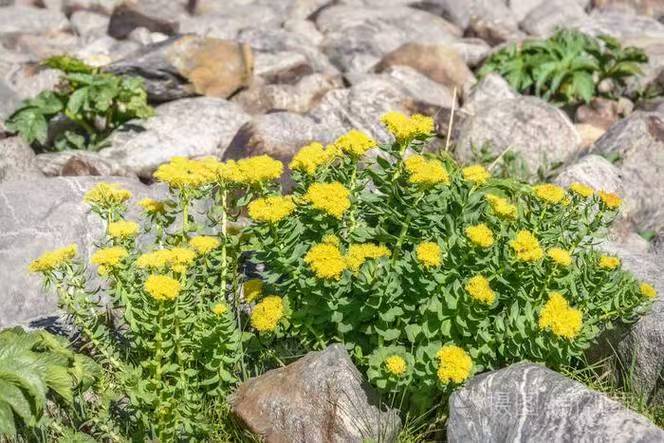
*Rhodiola crenulata*, widely harvested on the Qinghai‑Tibet Plateau, is the variety most
frequently studied for acute mountain sickness, while *Rhodiola rosea* (golden
root) is better known for stress and fatigue support. Both contain core active
markers: salidroside and rosavins. Salidroside is the primary compound linked
to anti‑hypoxia benefits, helping stabilise oxygen utilisation in cells,
reduce oxidative stress triggered by thin air, and support healthier SpO₂ levels during ascent.
It is
important to state clearly that clinical evidence is mixed. Multiple meta‑analyses show that standardised rhodiola
extract outperforms a placebo for maintaining blood oxygen saturation and
reducing mild altitude discomfort; however, it is not a guaranteed cure and
cannot replace emergency medical treatment for severe altitude illness such as
high‑altitude
pulmonary oedema (HAPE) or cerebral oedema (HACE). It works best as a
preventive adaptogen rather than a rescue remedy once dangerous symptoms
develop.
When
and How to Take Rhodiola for the Best Effect
The
timing of intake makes the biggest difference. Rhodiola is not effective if you
take your first dose after symptoms have already set in. Most research
protocols recommend starting supplementation **5 to 7 days before ascending to
altitude**, then continuing the full course during your high‑altitude stay and for 2 to 3 days after
descending. This pre‑loading window lets the herb build steady adaptogenic effects in
your system before you face oxygen stress.
For
dosage, follow standardised extract specifications rather than raw root weight.
A typical studied daily dose ranges from 300 mg to 800 mg of rhodiola extract
standardised to salidroside content, split into one or two morning servings.
Taking rhodiola late in the afternoon or evening is not advised, as some users
report restlessness or insomnia, and poor sleep worsens altitude tolerance and
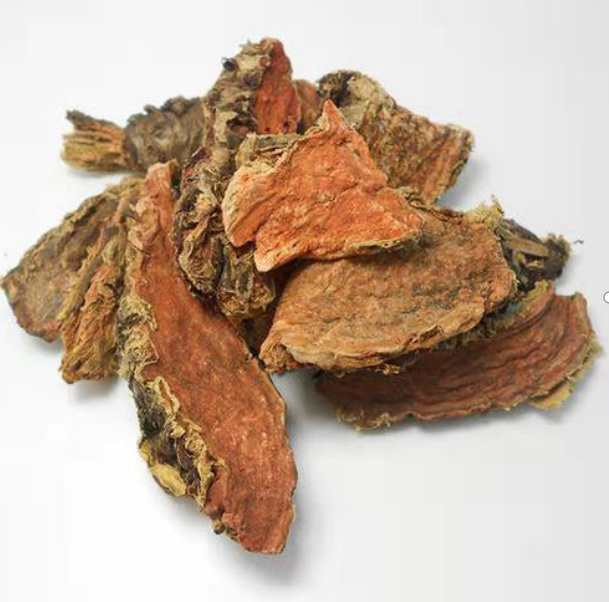
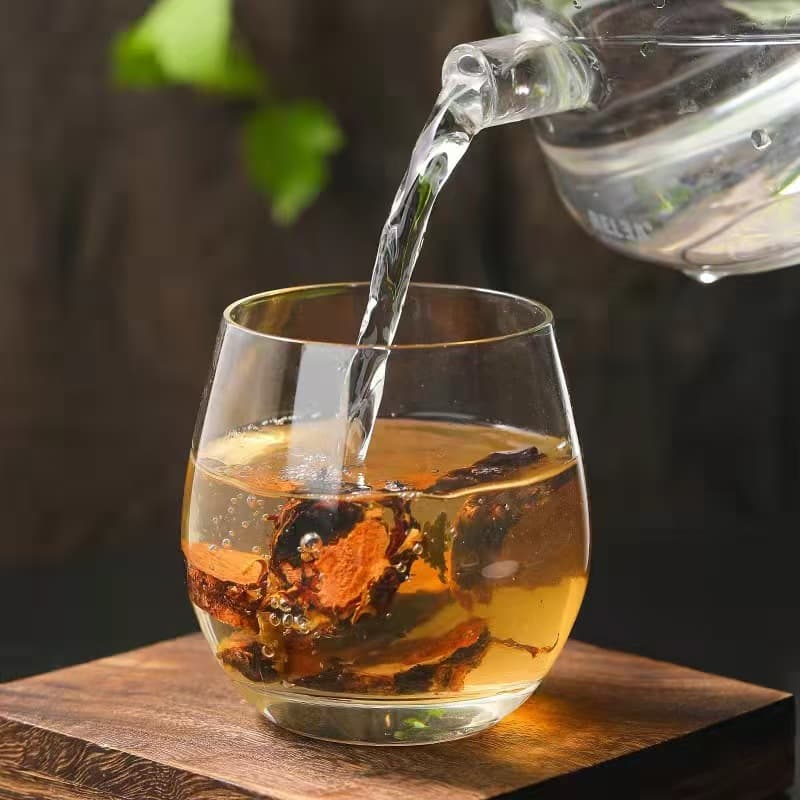
oxygen stability. If you use dried rhodiola root for tea or decoction, the
active concentration is much lower than extract capsules, so you will need
longer consistent use. Always check the product certificate of analysis (COA)
for salidroside content when sourcing bulk rhodiola for supply.
Practical
Habits to Pair With Rhodiola for Stable SpO₂
Rhodiola
should be paired with core altitude best practices for best SpO₂ results. No herb offsets reckless ascent. Slow climbing, avoiding
alcohol and heavy meals on arrival, drinking enough water, limiting intense
exertion on day one, and monitoring SpO₂ with a fingertip oximeter remain foundational. If your oxygen
reading drops persistently below 85%, or you develop confusion, chest tightness
or persistent vomiting, descend immediately and seek medical help — rhodiola
cannot reverse life‑threatening high altitude disease.
Who
Needs to Take Extra Precautions?
Rhodiola
is generally well tolerated by healthy adults for short‑term altitude use, but it may interact
with blood pressure medication, antidepressants and blood thinners. Pregnant
people, nursing mothers and those with hormone‑sensitive conditions should consult a
healthcare provider before use. Mild side effects include jitteriness, upset
stomach or difficulty sleeping, which usually fade if you reduce the dose or
switch to morning‑only intake.
Realistic
Expectations: What SpO₂ Changes Can You Notice?
Many
buyers ask what kind of SpO₂ improvement they can reasonably expect. Rhodiola tends to support
more stable oxygen levels instead of creating a dramatic, instant jump in
saturation. For people prone to mild altitude reaction, consistent pre‑loading often reduces the speed of SpO₂ decline and softens associated headache and exhaustion. Individual
results vary greatly based on fitness, ascent speed, sleep quality and personal
hypoxia sensitivity.
Quality
Notes for Reliable Rhodiola
For
suppliers and travellers alike, quality control is non‑negotiable. Wild rhodiola is scarce, and
cultivated material with guaranteed marker levels is the reliable, sustainable
option. Low‑grade rhodiola with insufficient salidroside will deliver little
altitude benefit, even if the label lists the botanical name.
Final
Takeaway
In
summary, rhodiola is a valuable natural adaptogen for proactive altitude
preparation. When taken early, at the right dose and alongside safe ascent
habits, it helps your body adapt to low‑oxygen environments, supports steadier blood oxygen saturation and
eases mild altitude discomfort. Keep realistic expectations, watch your SpO₂ readings closely, and never rely on herbal supplements in place of
emergency care. Safe mountain travel always comes first.
Dear
friends, if you are interested in Rhodiola products, please feel free to write
to our company:
Contact
Person: Norman
EMAIL:
norman@pnp6.com
Phone:
+86-774-7287480
CELL:
13397701126
Tel: 18074804455
Mailbox: pnp6@pnp6.com
URL: http://www.pnp6.com
Address: ADD: TENGKOU WAN, GROUP ONE, HUANGCUN VILLAGE, LING JING TOWN, TENG COUNTY, WUZHOU, GUANGXI,CHINA