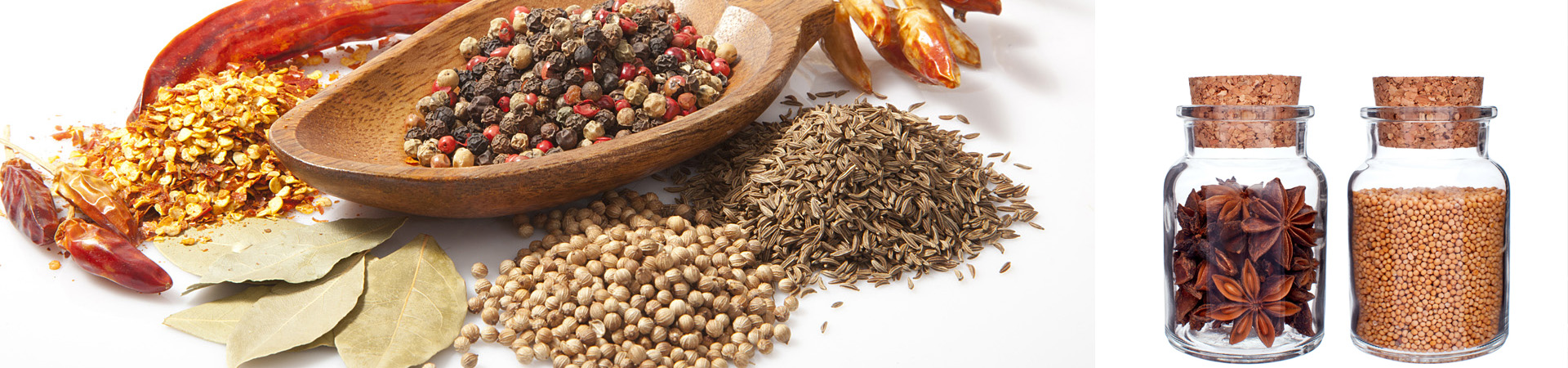
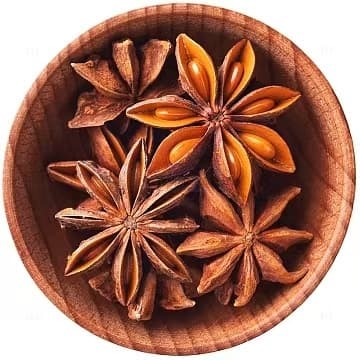
Star
anise occupies an awkward niche in the kitchen: it is so ubiquitous that many
cooks only reach for it when braising meat. Yet this eight‑seeded
follicle is arguably the most “measured” seasoning in Chinese cuisine. It carries a potent, penetrating
aroma. Use too much, and it turns bitter and cloying; use just the right
amount, and it lifts the base flavour of an entire dish. Warm in nature and
sharp in taste, it excels at masking gamey notes and cutting through
greasiness. It therefore has its place year‑round — though its pairings, dosage and
timing of addition shift with the seasons.
Spring: Use half the usual amount to “awaken” the palate
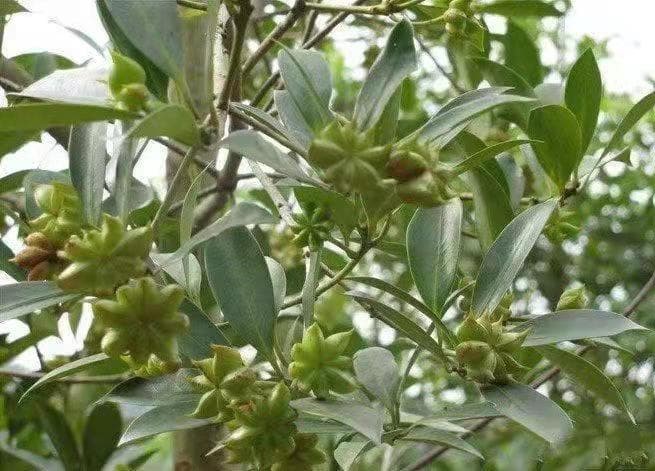
Spring
is a season of budding and growth; the guiding principle at the table is
freshness and lightness. Star anise should play a supporting role here: cut its
quantity to half, or even one‑third, of the amount used
in autumn and winter. Its main job is to neutralise off‑notes
and lend a subtle warming scent, rather than dominate the flavour profile.
The
Jiangnan dish *yan du xian* — a slow‑simmered soup of cured
pork, fresh pork and spring bamboo shoots — serves as a perfect example. Some
cooks add a tiny fragment of star anise, enough to leave a fleeting whisper of
aroma on the broth’s surface while letting the clean, sweet essence of bamboo
shoots take centre stage. Likewise, for braised pork with bamboo shoots, fava
bean rice or stir‑fried cured meat with
green garlic, add half a star anise (or one whole pod), preferably towards the
end of cooking.
Southern
China often sees damp, rainy springs. Many households boil star anise together
with dried tangerine peel and ginger, or braise peanuts and edamame for snacks.
This blend warms the stomach and dispels dampness without the heavy richness of
winter fare. One common pitfall to avoid is heavy dark braising. In spring, the
body is prone to internal heat and dry mouth; heavily seasoned, dark, salty
braises can hinder the body’s natural tendency to release and renew.
Summer: One single pod for braising — cuts grease without adding excess
“heat”
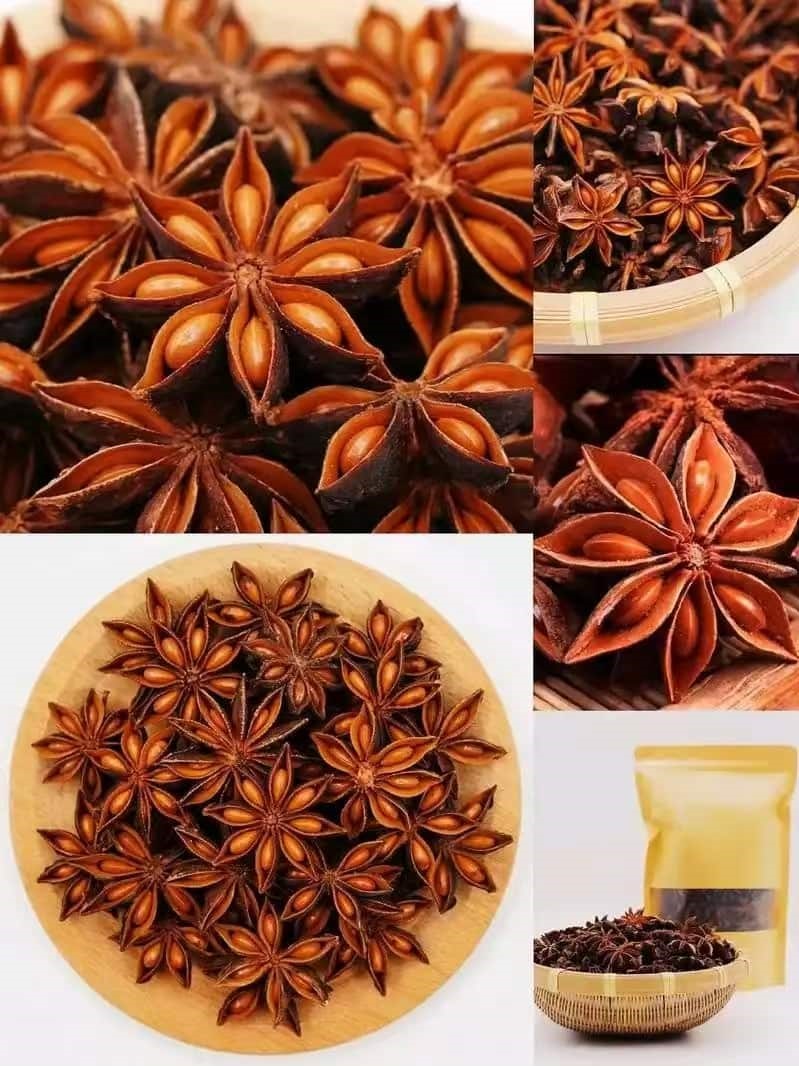
In
summer, the last thing you want is to compound internal heat. Star anise is
inherently warming in nature. The summer rule of thumb is therefore to “borrow
its aroma while balancing its warming property”: let it contribute fragrance,
and use companion ingredients to offset its drying, heat‑inducing
character.
Crayfish,
braised edamame, cold noodles and soy‑braised beef are all
dishes where star anise shines. The famous thirteen‑spice
blend is built around star anise, backed by Sichuan peppercorns, cinnamon and
fennel seeds. Two reliable summer approaches: first, pair it with cooling
ingredients such as perilla, mint, lemon or balsamic vinegar to counteract its
warmth; second, use it for cold braises — leave the ingredients to soak in the
braising liquid overnight in the fridge. This delivers a refreshing, chilled
serving while letting the aroma infuse deeper.
For
mild, delicate ingredients like winter melon, luffa or edamame, one star anise
can elevate the dish dramatically. It lends a savoury, meat‑like
depth to bland winter melon even without any meat added. A simple summer rule:
no more than one pod per pot. For clear soups, half a pod is enough. Remove it
once cooking finishes; prolonged steeping leaches out bitter compounds.
Autumn: Calm dryness, preserve a lingering sweet note
Autumn
is arguably the season where star anise feels most harmonious. Temperatures
cool, appetites return, and this is the time of “autumn nourishment” (often
called “putting on autumn weight”). Star anise’s warm, sweet fragrance fits
perfectly — yet autumn’s prevailing dryness calls for careful restraint.
It
pairs beautifully with chestnuts, taro, duck and lotus root. Two pods in
braised chicken with chestnuts let the spice and fruit sweetness complement
each other. In beer‑braised duck or
traditional duck soup, one pod suppresses gamey flavour without overpowering
the meat’s natural
freshness. For lotus root and pork rib stew, one pod is sufficient. Under the
traditional Chinese culinary framework of “monarch, minister, assistant and
envoy”, star anise works best as a “minister” spice in autumn: it works
alongside cinnamon, bay leaves and fennel seeds instead of standing alone. Two
key warnings: first, skip star anise for ultra‑fresh autumn seafood such
as crab or shrimp; its strong scent will overwhelm their delicate natural
sweetness. Second, if you are susceptible to dryness or coughs in autumn, limit
soy‑braised dishes to once or twice weekly.
Winter: Add whole pods and let the aroma permeate meat
Winter
is star anise’s prime season. It is nearly indispensable for braised pork, soy‑braised
beef, lamb soup, cured meats and hot pot bases. When the body craves warmth in
cold weather, star anise’s warming property combines with fat to mask gamey
flavours, cut greasiness, and drive its fragrance deep into meat fibres.
You
may use it more generously in winter: two to three whole pods for beef or lamb
stews. A handy benchmark for braising stock is roughly one pod per 500 grams
(one jin) of meat. In southern China, it is a long‑standing
winter custom to mix ground star anise into seasoning for cured sausages and
bacon. The classic winter combination — star anise, cinnamon, Sichuan
peppercorns and ginger — forms the aromatic, warming backbone of Chinese home
cooking.
Even
in winter, moderation matters. Star anise stands up to long simmering, yet its
signature aroma comes from volatile oils. For dishes simmering over an hour,
add star anise around twenty minutes before the sauce reduces, or add it whole
and fish it out before serving. This preserves a bright, clean fragrance
instead of a heavy, stifling one.
Three General Rules for Using Star Anise
**First: One pod is often enough for a full pot**
For
a typical home portion serving three to four people, one star anise is usually
adequate. If a dish lacks aroma, the issue is seldom insufficient star anise;
it is more likely an imbalance of ginger, cooking wine or sugar.
**Second: Do not add it too early or leave it cooking too long.**
Star
anise’s fragrance comes from volatile oils. Extended boiling drives these oils
away and leaves only bitterness. Whole pods tolerate longer cooking better than
ground star anise, which is better suited for quick oil‑toasting
to release aroma or for curing marinades.
**Third: Learn to tell genuine star anise from its toxic lookalike.**
Authentic
star anise usually has eight carpels with blunt, rounded tips and a sweet,
piquant scent. Its dangerous imposter, *Illicium anisatum* (Japanese star anise
/ mangcao), typically has more, sharply pointed carpels, with a sour, acrid
smell and is toxic if consumed. When buying, smelling and counting the carpels
is far more reliable than judging by price alone.
One
star anise serves as a gentle prelude in spring, a soft warmth against summer
heat, a marker of harvest in autumn, and a preservation aid in winter. Those
who master this spice never overuse it — they simply place it in the right
dish, at the right moment.
Dear
friends, if you are interested in star anise, please feel free to contact our
company:
Contact Person: Norman
EMAIL: norman@pnp6.com
Phone: +86-771-5471096
CELL: +86 13397701126
WEBSITE: https://www.pnp6.com
Tel: 18074804455
Mailbox: pnp6@pnp6.com
URL: http://www.pnp6.com
Address: ADD: TENGKOU WAN, GROUP ONE, HUANGCUN VILLAGE, LING JING TOWN, TENG COUNTY, WUZHOU, GUANGXI,CHINA