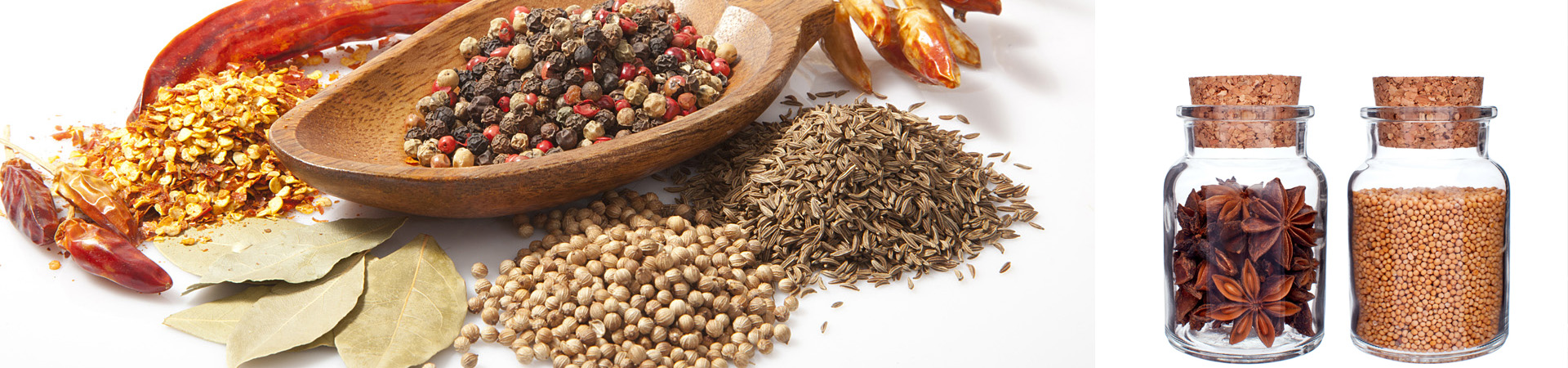
 Do you know that star anise relies on an insect to produce its fruit? This common
kitchen spice holds a secret that has evolved over millions of years!
While
many recognize star anise as a kitchen staple—a prized "golden fruit"
harvested from the deep mountains of Guangxi—few are aware that without a tiny
insect, no larger than a fingernail, the star anise tree might never bear fruit
at all.
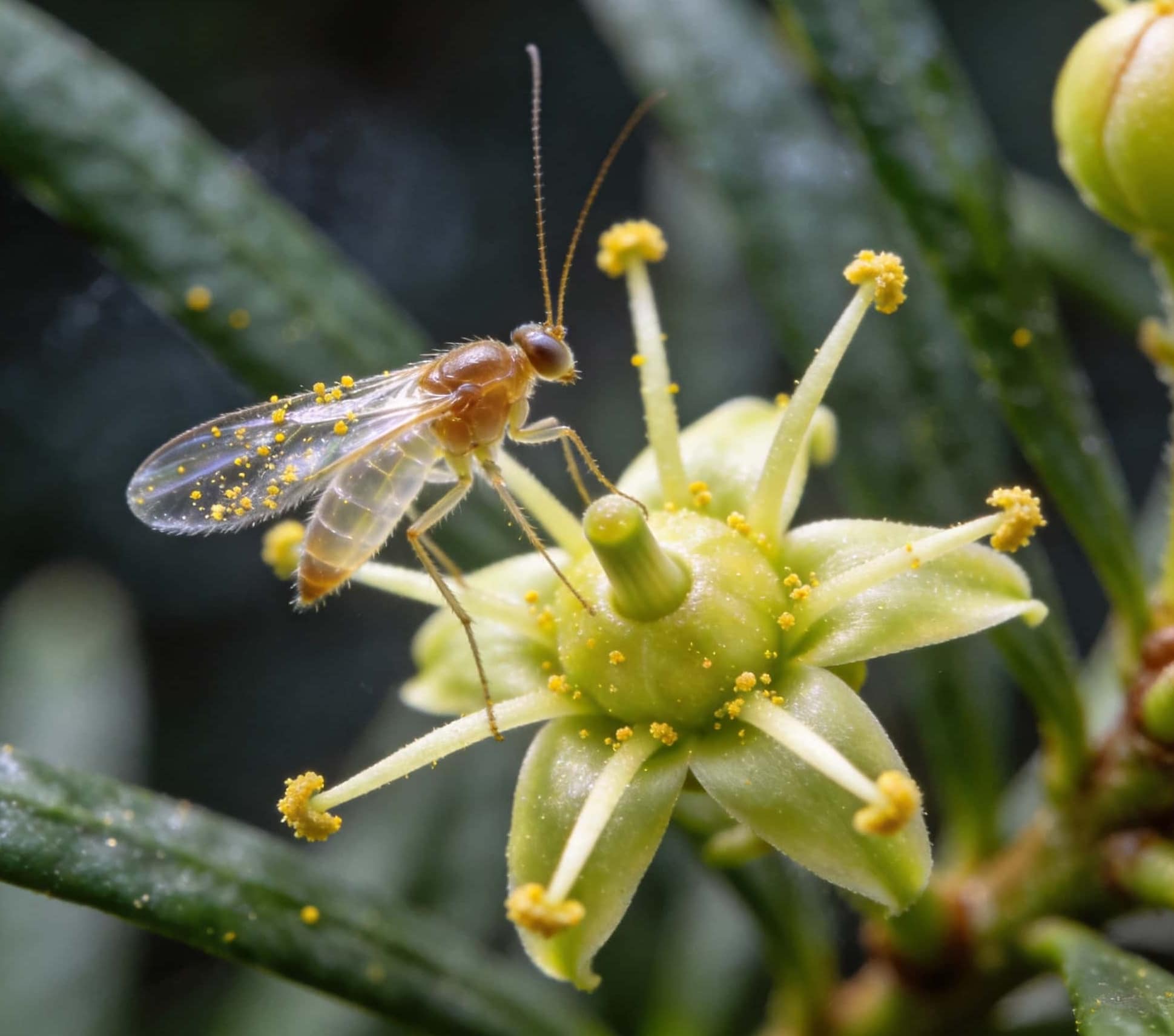
This insect is the *Asphondylia* gall midge
(specifically a species associated with resinous environments), which serves as an exclusive "symbiotic pollinator"
for the star anise tree. Experienced farmers in the core star
anise-producing regions of Guangxi—such as Teng County and Fangchenggang City—know
that the star anise blossom is quite peculiar. Unlike flowers that attract bees
and butterflies with vibrant colors or sweet nectar, the star anise blossom
features pale green petals tucked away among the foliage. It produces virtually
no nectar, making it unappealing to most common insects.
Each
year, in late spring when the star anise trees bloom, these gall midges arrive
right on cue. Attracted by a unique scent released by the blossoms, the female
midges crawl into the flower’s cavity. As they lay their eggs, they
inadvertently transfer pollen from their bodies onto the stigma, effectively
pollinating the flower. By the time the blossom fades and the ovary begins to
swell, the midge larvae have hatched and matured; they then take flight—carried
by the breeze—to another grove of star anise trees, where they await the next
year’s flowering season.
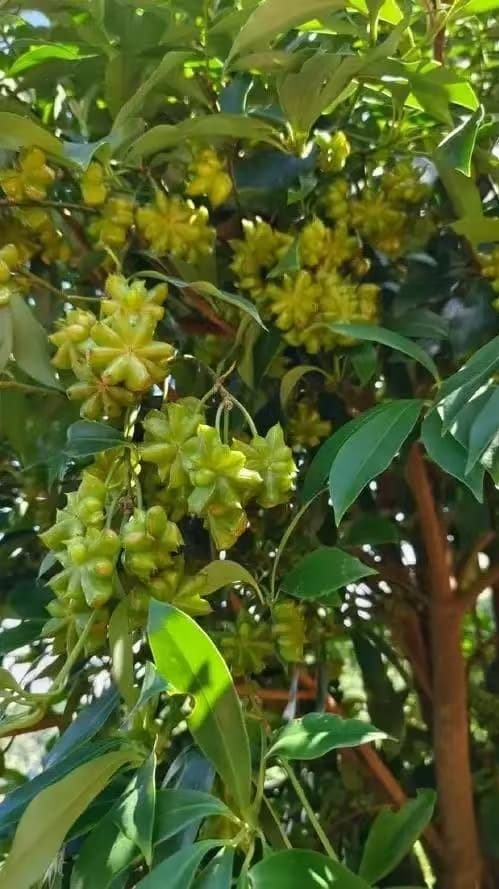
The
two have developed a "cooperative relationship" over millions of
years: the star anise blossom provides a safe environment for the midges to lay
eggs and reproduce, while the midges provide essential pollination for the
tree. Neither could thrive without the other.
This
is also why star anise trees transplanted to other regions often "bloom
but fail to bear fruit." In these new locations, the specific population
of gall midges is absent; consequently, even if the trees bloom profusely,
there is no one to pollinate them, making it impossible for them to produce
full, mature star anise pods. Only in the native star anise-growing
regions—such as Guangxi and Yunnan—where the *Dioxyyna* gall midge (a species
that has thrived in these forests for generations) coexists with the star anise
trees, can one find authentic, high-quality "big red" star anise,
characterized by plump, well-developed carpels and a rich oil content.
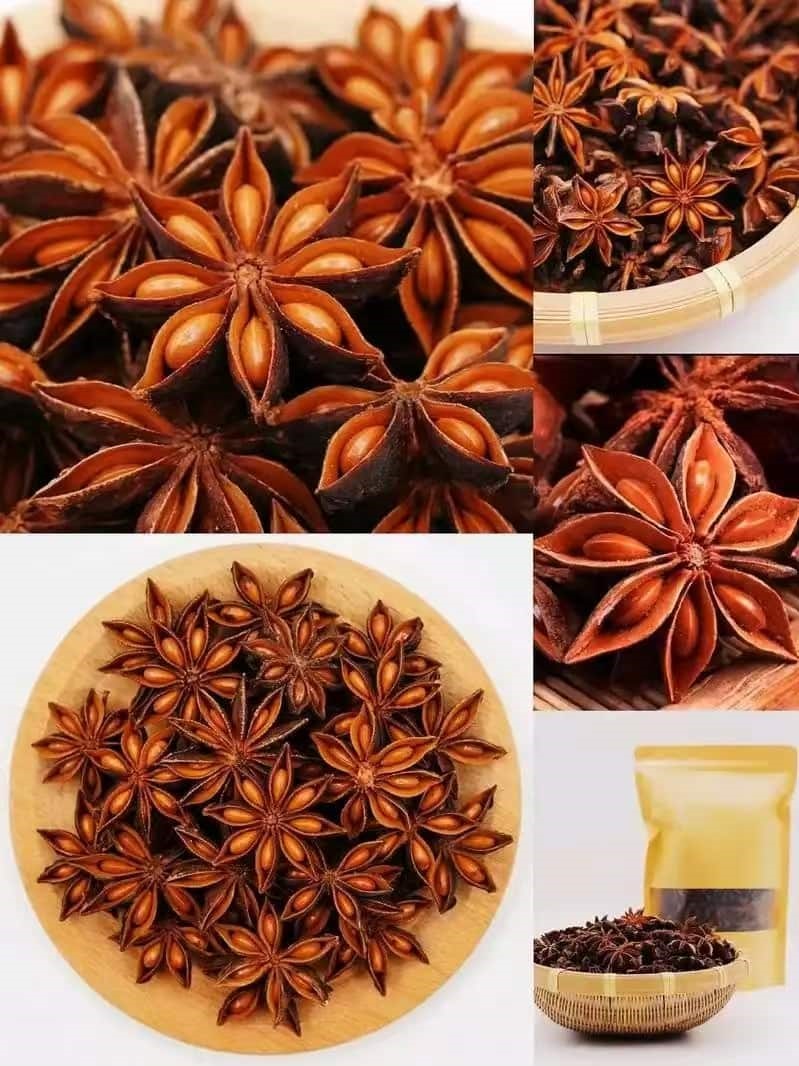
When
shopping for star anise, keep a few tips in mind: look for specimens with
uniform, plump carpels that feel dry and non-sticky to the touch, and that emit
a robust, natural, spicy aroma. If you come across star anise with fewer than
seven carpels, a dull or brownish color, or a bitter or sour taste, it is
likely *Illicium anisatum* (Japanese star anise)—a toxic lookalike—so be sure
to avoid it. Once you’ve brought your star anise home, store it in an airtight
glass jar in a cool, dry place; this will preserve its fragrance for an entire
year. Simply toss a couple of pods into your pot when braising meat or
preparing marinated dishes, and the rich aroma will be released instantly.
Dear friends, if you are interested in star
anise, please feel free to write to our company:
Contact Person: Michael
EMAIL: norman@pnp6.com
Phone: +86-771-5471096
CELL: 13397701126
WEBSITE: http://www.pnp6.com
Tel: 18074804455
Mailbox: pnp6@pnp6.com
URL: http://www.pnp6.com
Address: ADD: TENGKOU WAN, GROUP ONE, HUANGCUN VILLAGE, LING JING TOWN, TENG COUNTY, WUZHOU, GUANGXI,CHINA