I. 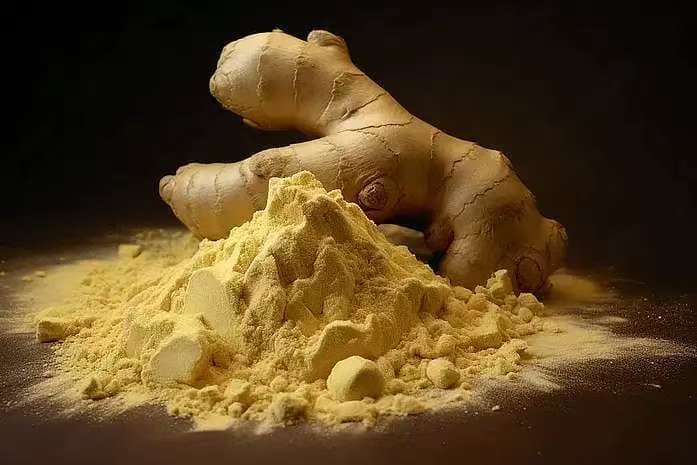
I Intr. I. Induction
While ginger is not a "natural painkiller," there is relatively solid clinical research supporting its mild-to-moderate anti-inflammatory and analgesic effects. For knee osteoarthritis and delayed-onset muscle soreness (DOMS) following exercise, it can serve as a safe, complementary approach—provided that specific guidelines regarding dosage and usage are followed.
II. Why it works: From gingerols to inflammatory pathways
The active components in ginger are primarily gingerols (such as 6-gingerol) and shogaols (such as 6-shogaol), which are formed when ginger is dried or heated. In vitro and animal studies indicate that these compounds can inhibit cyclooxygenase-2 (COX-2) and 5-lipoxygenase, thereby reducing the production of prostaglandins and leukotrienes. Furthermore, they inhibit the NF-κB signaling pathway, lowering the levels of pro-inflammatory factors like TNF-α and IL-6. This pathway partially overlaps with the targets of non-steroidal anti-inflammatory drugs (NSAIDs) like ibuprofen, which explains why ginger’s analgesic effect is "in the right direction but relatively weak." It is worth noting that claims circulating online—such as "ginger clears 40% of inflammatory factors in 12 hours"—are often misinterpretations of cell-based experiments and cannot be equated to the actual effects of consuming ginger.
III. Arthritis: The strongest evidence, though with a modest effect size
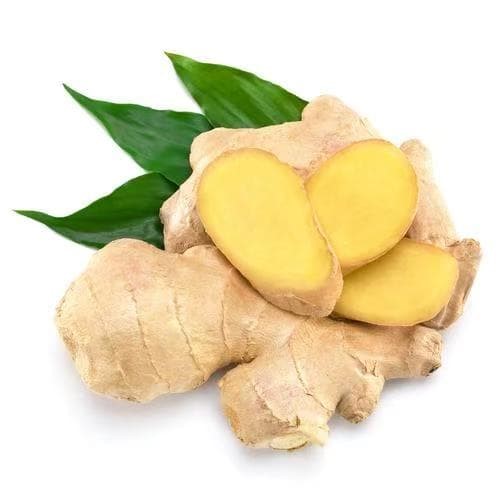
The highest-quality evidence currently available comes from a meta-analysis published in *Osteoarthritis and Cartilage* in 2015 (Bartels et al., covering five placebo-controlled randomized trials with 593 osteoarthritis patients). Compared to a placebo, ginger showed a standardized mean difference of approximately −0.30 for pain and −0.22 for functional limitation—representing a small-to-moderate effect size. While adverse events (primarily gastrointestinal discomfort) were slightly more frequent than with the placebo, there was no increase in serious adverse events. Several double-blind trials on knee osteoarthritis, involving a daily intake of 1 g of ginger powder over 12 weeks, have observed a reduction in VAS (Visual Analog Scale) pain scores. However, some studies indicate that ginger powder does not significantly lower systemic inflammatory markers like C-reactive protein (CRP), suggesting that its primary role is symptom management rather than altering the underlying disease progression.
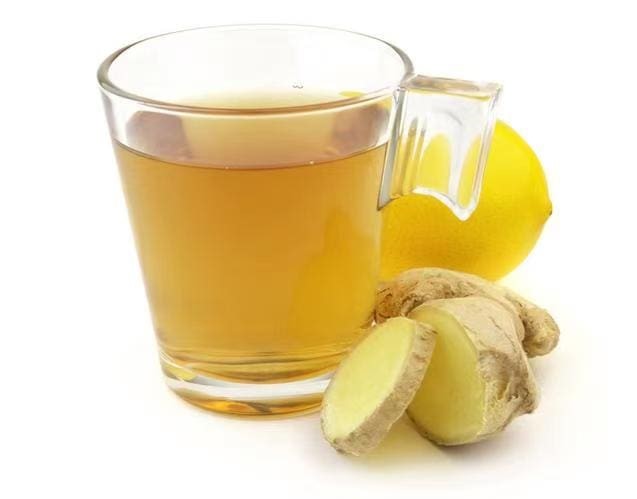
Practical application: Consume 2–4 g of ginger powder daily (divided into 2–3 doses; taken in capsules or mixed with water), or steep 15–30 g of sliced fresh ginger in water to drink as a tea. You can also add minced ginger to your meals. It is recommended to evaluate the effects after 4–12 weeks of consistent use, as most clinical trials have an observation period of around three months. If there is no improvement within two weeks, there is no need to continue.
IV. Muscle Soreness: Timing Is Key
Delayed-Onset Muscle Soreness (DOMS) is essentially an inflammatory response to micro-damage in muscle fibers caused by eccentric exercise; it typically peaks 24–72 hours post-exercise. Several small-scale trials suggest that consuming approximately 2 g of ginger—either before exercise or within 24 hours after—can reduce soreness scores during the 24–48 hour window, though it does not significantly aid in the recovery of muscle strength. Other trials have yielded negative results, and the overall body of evidence is less consistent than that for arthritis. Therefore, it is more accurate to view ginger as a way to make soreness "more bearable" rather than as a tool to accelerate recovery.
Practical application: On the day of exercise and the following day, take 2 g of ginger powder in divided doses, or drink a cup of strong ginger tea (made with 10–15 g of fresh ginger) after your workout. Combining this with light activity, adequate sleep, and sufficient protein intake is more reliable than relying on ginger alone.
V. Topical Use: Worth a Try, but Test for Sensitivity First
Applying ginger paste or juice topically creates a sensation of warmth and mild irritation, acting as a "counter-irritant." However, there is a lack of high-quality clinical evidence for this, and the gingerols in ginger can be highly irritating to the skin. Always perform a patch test on a small area of the inner arm and observe for 24 hours. Do not use on broken skin, areas affected by eczema, or areas with reduced sensation (such as in cases of diabetic foot). Additionally, avoid covering or wrapping the area after applying ginger. V. Essential Safety Boundaries
Exercise caution if you are taking anticoagulants or antiplatelet agents (such as warfarin, aspirin, or clopidogrel), as ginger may increase the risk of bleeding; it is recommended to discontinue use two weeks before any scheduled surgery.
Daily intake exceeding 4 g may cause heartburn, stomach pain, or diarrhea. Individuals with gastric ulcers, reflux esophagitis, or gallstones should reduce their dosage or avoid it entirely.
Pregnant women may use small doses (≤1 g/day) to alleviate nausea, but only with their doctor’s knowledge. Ginger is not a substitute for standard arthritis treatment (which includes exercise therapy, weight management, and medication when necessary).
VI. Conclusion
For arthritis, take 2–4 g of ginger powder daily for a period of 1–3 months. For muscle soreness, consume 2 g within the 24-hour window surrounding your workout. Always perform a patch test before topical application, and consult your doctor before oral use if you are already taking other medications. Ginger is a useful tool to have in your wellness kit, but it should be viewed as a supporting element rather than a primary treatment.
Dear friends, if you are interested in Ginger products, please feel free to write to our company:
Contact Person: Norman
EMAIL: norman@pnp6.com
Phone: +86-771-5471096
CELL: 13397701126
WEBSITE: http://www.pnp6.com
Tel: 18074804455
Mailbox: pnp6@pnp6.com
URL: http://www.pnp6.com
Address: ADD: TENGKOU WAN, GROUP ONE, HUANGCUN VILLAGE, LING JING TOWN, TENG COUNTY, WUZHOU, GUANGXI,CHINA