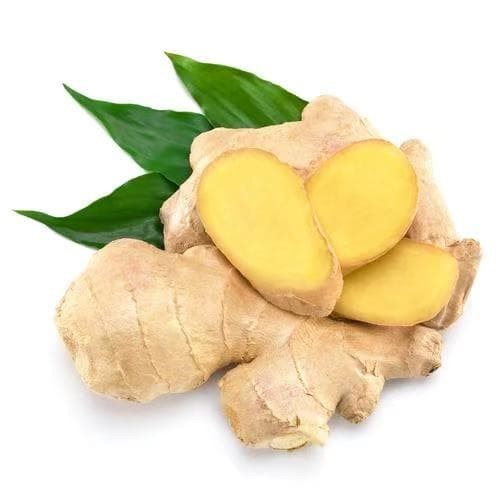
The present paper explains the scientific use of ginger for "stomach cold" symptoms: vomiting, abdominal bloating, and poor appetite.
I. What Does "Stomach Cold" Correspond to Today?
"Stomach Cold" is a Traditional Chinese Medicine (TCM) syndrome, typically characterized by a cold, painful sensation in the stomach region—which feels better when warmed or pressed—along with the regurgitation of clear fluid, worsening of symptoms after consuming cold foods, a pale tongue, and a white tongue coating. In modern medical terms, many individuals with these symptoms fall into categories such as functional dyspepsia (specifically postprandial distress syndrome), delayed gastric emptying, or visceral hypersensitivity—manifesting as postprandial fullness, early satiety, nausea, and upper abdominal bloating. Ginger warrants special attention because it is one of the few dietary interventions backed by both centuries of traditional use and modern randomized controlled trials (RCTs).
II. Three Mechanisms Behind Its Efficacy
First, its anti-emetic (anti-vomiting) effect is the most robust. Ginger contains compounds such as 6-gingerol and 6-shogaol, which act as antagonists to 5-HT₃ receptors—the same target addressed by mainstream anti-nausea medications like ondansetron. Animal studies have shown that 6-gingerol can downregulate 5-HT₃ receptors and the Ca²⁺/CaMKII/ERK1/2 signaling pathway, thereby reducing nausea and retching (such as that induced by the chemotherapy drug cisplatin). In humans, the strongest evidence comes from studies on nausea and vomiting during pregnancy: meta-analyses of multiple RCTs support the use of oral ginger over a placebo, and both domestic and international clinical guidelines list it as a viable non-pharmacological intervention. There is also positive, though varying-quality, evidence for its use in managing nausea related to chemotherapy, post-operative recovery, and motion sickness.
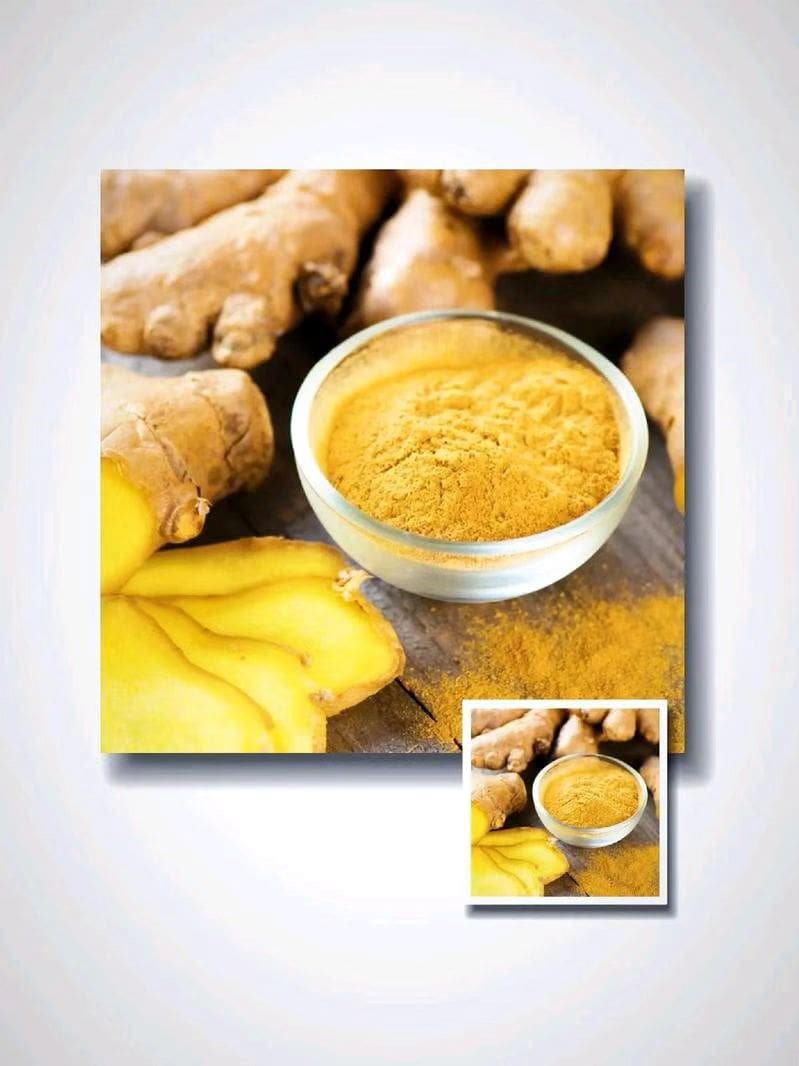
Second, for abdominal bloating, ginger acts by "promoting gastric emptying." In a double-blind, cross-over trial involving 11 patients with functional dyspepsia, the administration of 1.2 grams of ginger powder reduced the gastric half-emptying time from 16.1 minutes (with a placebo) to 12.3 minutes (P≤0.05), while also showing a trend toward increased frequency of antral contractions (P=0.06). Accelerated gastric emptying and improved antral motility provide the physiological basis for alleviating postprandial fullness and early satiety. Third, for poor appetite, ginger acts as a "secretagogue" (stimulant of secretions). Gingerols stimulate the gastric mucosa and the secretion of digestive juices; their anti-inflammatory and antioxidant properties (via COX inhibition) also help alleviate low-grade mucosal inflammation.
It must be stated honestly that the aforementioned study on gastric emptying involved only 11 subjects, and symptom scores did not show significant improvement. Therefore, it is best framed as follows: there is strong evidence for its anti-emetic (anti-vomiting) effects, while its benefits for bloating and poor appetite are inferred based on mechanisms and surrogate endpoints—essentially, "worth a try, but don't expect immediate, dramatic results."
III. Specific Usage by Symptom
|
Primary Symptom |
Recommended Form |
Usage |
Notes |
|
Nausea, vomiting, regurgitation of clear fluid |
Ginger juice or ginger powder capsules |
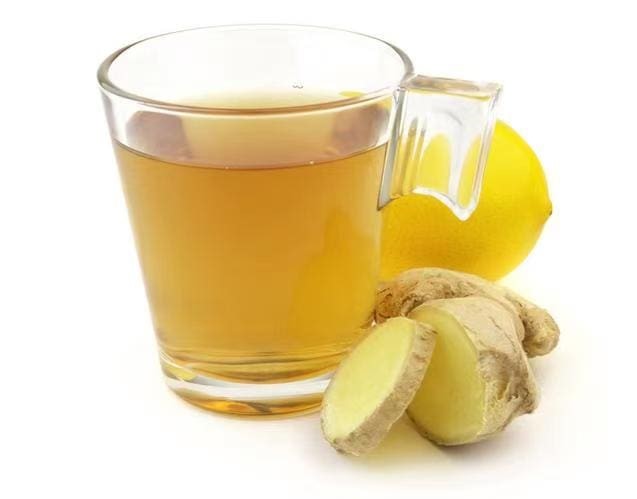
Extract juice from 15–20g of fresh ginger, mix with warm water, and sip frequently; or take 250mg of ginger powder 4 times daily (approx. 1g total). |
For anti-emetic purposes, precise dosing is required; ginger juice or capsules are preferable to ginger tea. |
|
Post-meal bloating, early satiety |
Ginger powder or ginger decoction |
Take 0.5–1g of ginger powder with warm water, or boil 3–5 slices of fresh ginger in 150mL of water. Consume 20–30 minutes before meals, 2–3 times daily. |
Taking it before meals aligns better with the goal of promoting gastric emptying. |
|
Aversion to cold, poor appetite, loose stools |
Decoction of dried ginger and jujube |
Boil 3–6g of dried ginger with 3 jujubes (red dates). Drink warm in the morning; use for 1–2 weeks. |
Dried ginger is more potent for "warming the middle" (the digestive system) and contains higher levels of 6-shogaol; however, it is "drying" in nature and should not be used for an extended period. |
Fresh ginger tends to warm the stomach, stop vomiting, and act on the exterior (surface/peripheral areas) of the body; dried ginger tends to warm and tonify the "spleen-yang" (digestive energy) and act on the interior (deeper/internal areas). Use dried ginger for chronic "deficiency-cold" patterns or significant cold-induced abdominal pain; use fresh ginger for acute exposure to cold or pronounced nausea and vomiting.
IV. Three Essential Boundaries to Observe
Dosage. A daily intake of 1–3 g of dried ginger powder (equivalent to approximately 10–30 g of fresh ginger) is generally considered safe. Exceeding 4 g may lead to side effects such as heartburn, diarrhea, or a burning sensation in the mouth.
Contraindications and Cautions: Exercise caution if you are taking warfarin or antiplatelet medications (as ginger can inhibit platelet aggregation), or if you have gallstones, an active peptic ulcer, or reflux esophagitis. Ginger is not suitable for individuals with "yin deficiency and internal heat"—characterized by symptoms such as dry mouth, constipation, and a red tongue with little coating. If you are scheduled for surgery, stop using ginger two weeks in advance. Pregnant women should limit intake to no more than 1 g per day and consult a physician first.
"Red Flag" Symptoms: If you experience new-onset indigestion after the age of 40, weight loss, anemia, difficulty swallowing, hematemesis (vomiting blood) or melena (black, tarry stools), vomiting "coffee-ground" material, or waking up at night due to pain—these are not merely signs of "stomach cold." You must undergo a gastroscopy to rule out organic disease; do not delay medical evaluation by relying solely on ginger.
Finally, ginger should be used as an adjunct, not a replacement for medical treatment. Combining it with a diet consisting of warm, soft, and easily digestible foods—eating smaller, more frequent meals, chewing thoroughly, and taking a 10–15 minute walk after meals—will yield far better results than using ginger alone. It is recommended to keep a symptom diary for two weeks; if vomiting or abdominal bloating does not improve—or if these symptoms worsen—seek medical attention promptly.
Dear friends, if you are interested in Ginger products, please feel free to write to our company:
Contact Person: Norman
EMAIL: norman@pnp6.com
Phone: +86-771-5471096
CELL: 13397701126
WEBSITE: http://www.pnp6.com
Tel: 18074804455
Mailbox: pnp6@pnp6.com
URL: http://www.pnp6.com
Address: ADD: TENGKOU WAN, GROUP ONE, HUANGCUN VILLAGE, LING JING TOWN, TENG COUNTY, WUZHOU, GUANGXI,CHINA