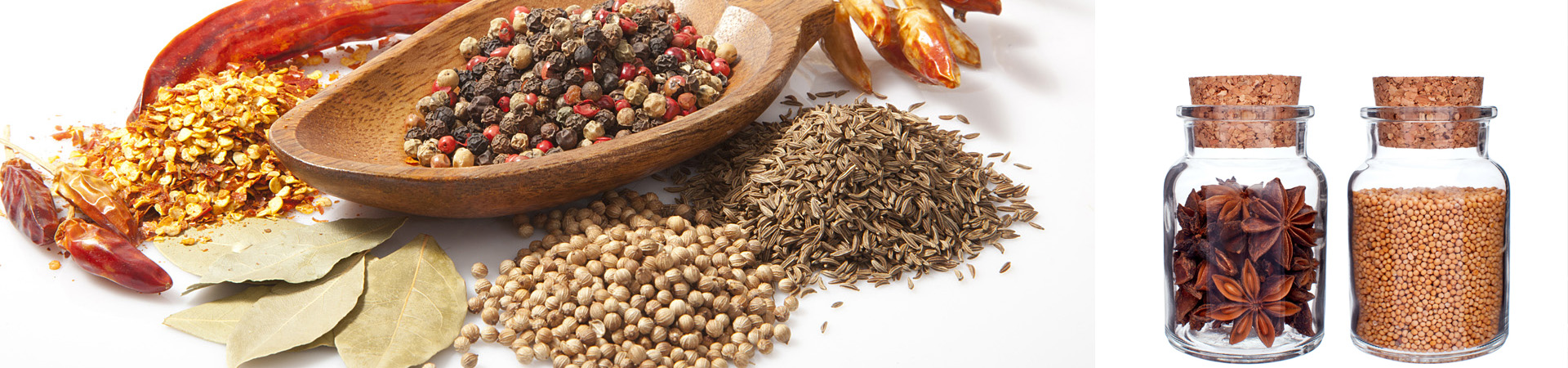
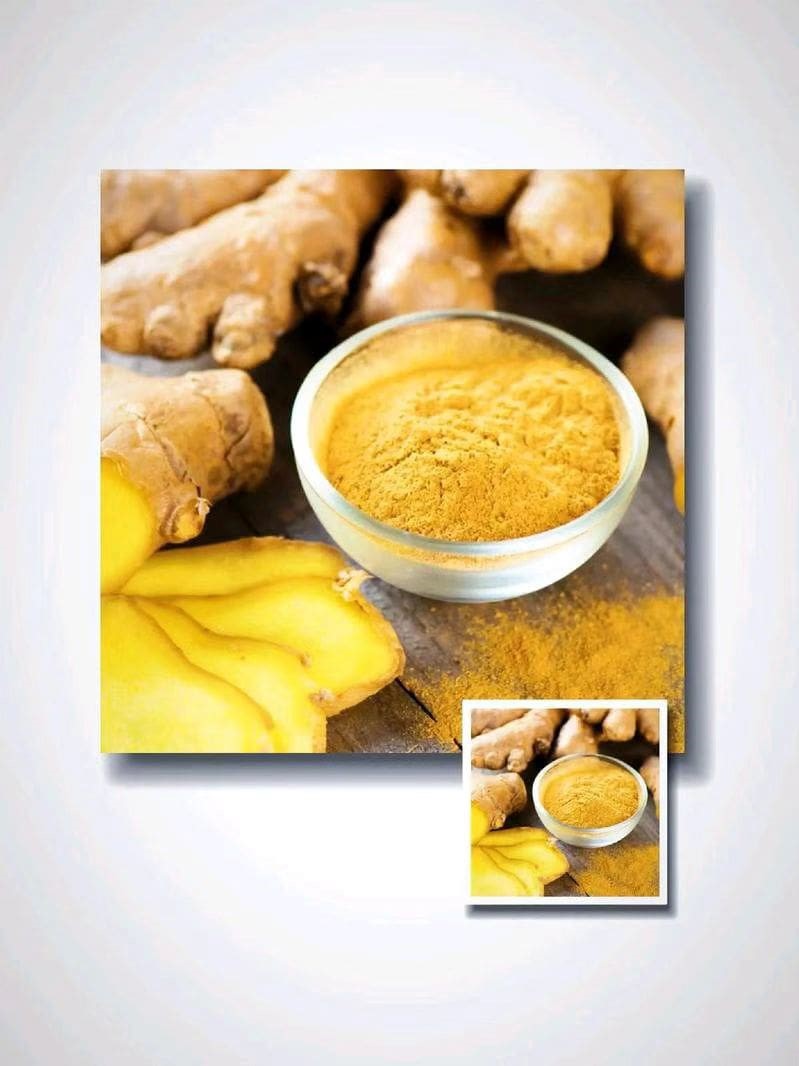
Every pharmacy shelf sells ginger for nausea — capsules, chews, ginger ale. Behind the folk remedy sits a real body of clinical research, some strong, some thin. The short answer: ginger is a real but modest anti-nausea agent. It works best against mild-to-moderate nausea, and it is a supporting player, never a replacement for prescription antiemetics.
1. Why Ginger works
Vomiting is a brainstem programme, not a stomach reflex. The vomiting centre in the medulla integrates four inputs — the chemoreceptor trigger zone, vagal afferents from the gut, the vestibular system (the source of motion sickness), and cortical signals. They talk to it through a small set of neurotransmitters: serotonin (5-HT₃), substance P (NK₁), dopamine (D₂), acetylcholine (M₃) and histamine (H₁). Every modern antiemetic blocks one of them — ondansetron blocks 5-HT₃, scopolamine blocks M₃.
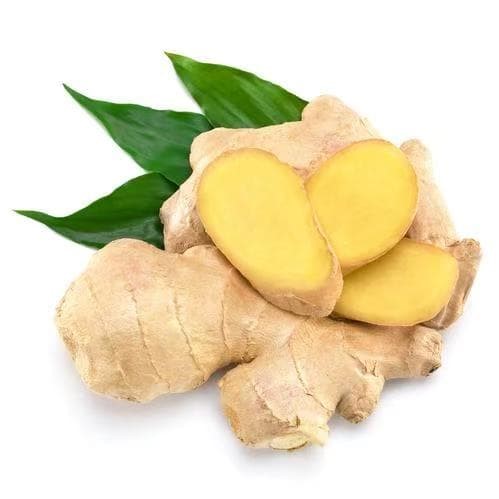
Ginger's active compounds, 6-gingerol and 6-shogaol, appear to touch several of these pathways at once, if weakly: 5-HT₃ antagonism, NK₁ modulation, M₃ antagonism, anti-inflammatory activity, and accelerated gastric emptying. That last effect has human data — in a double-blind crossover study of 24 volunteers, 1,200 mg of ginger roughly halved gastric half-emptying time (about 27 → 13 minutes). So ginger sits at the same pharmacological intersections as real drugs, but with much lower potency. That single fact explains nearly every finding below.
2. Motion Sickness
The legend is Chinese sailors chewing ginger at sea. The best-known trial (Grøntved, 1988) gave 80 naval cadets 1 g of powdered ginger or a placebo on the open sea: ginger significantly reduced vomiting and cold sweating (protection index ~72% for vomiting), though nausea and vertigo did not reach significance. Reviews reach the same conclusion — ginger beats placebo, but the trials are small.
Two caveats. First, scopolamine and antihistamines outperform ginger for seasickness, so ginger is a reasonable adjunct, not the main plan. Second, timing matters: it works best taken 30–60 minutes before travel, because once severe vomiting starts, oral absorption becomes unreliable.
3. Pregnancy sickness
This is ginger's strongest ground. Nausea and vomiting affect roughly 70–80% of pregnancies. A Cochrane review found ginger may reduce nausea, roughly comparable to vitamin B₆, and ACOG lists it among acceptable treatments at up to 1 g/day. Practical read: for mild-to-moderate pregnancy nausea, 250 mg–1 g/day is a reasonable first step. Persistent vomiting or weight loss (hyperemesis) needs medical care, not a home remedy.
4. Postoperative and chemotherapy nausea
PONV affects 20–30% of surgical patients (up to 80% in high-risk cases). A 2018 meta-analysis found ginger reduces PONV incidence versus placebo — but surgical protocols rely on combination prophylaxis, and ginger is not standard. It is an adjunct, not a substitute.
Chemotherapy (CINV) is the highest-stakes case. A meta-analysis of 10 RCTs found ginger improved overall control (pooled OR ~0.71), with the benefit concentrated in acute nausea (first 24 hours) and no reliable effect on delayed CINV (24–120 hours). That fits the pharmacology: acute CINV is serotonin-driven, where ginger has activity; delayed CINV is substance-P driven, where it does not. Oncology guidelines do not include ginger — it is complementary, never a replacement.
5. Evidence at a Glance
|
Setting |
Typical ginger dose studied |
Best-supported effect |
Evidence quality |
|
Motion sickness / seasickness |
~1 g powdered root |
vomiting and cold sweating vs placebo; nausea/vertigo not significant |
Limited (small trials) |
|
Pregnancy nausea |
250 mg – 1 g/day |
nausea; roughly comparable to vitamin B₆ |
Moderate (Cochrane, ACOG-endorsed dose) |
|
Postoperative nausea(PONV) |
0.5 – 2 g, various forms |
incidence of PONV vs placebo |
Low–moderate (heterogeneous) |
|
Chemotherapy (CINV) |
0.5 – 2 g/day |
acute nausea/vomiting; no effect on delayed phase |
Low–moderate; adjunct only |
Across all four settings, the same theme repeats: ginger helps, gently, and mostly with nausea rather than with hard vomiting endpoints.
6. Dosage and Safety
The legend is Chinese sailors chewing ginger at sea. The best-known trial (Grøntved, 1988) gave 80 naval cadets 1 g of powdered ginger or a placebo on the open sea: ginger significantly reduced vomiting and cold sweating (protection index ~72% for vomiting), though nausea and vertigo did not reach significance. Reviews reach the same conclusion — ginger beats placebo, but the trials are small.
Two caveats. First, scopolamine and antihistamines outperform ginger for seasickness, so ginger is a reasonable adjunct, not the main plan. Second, timing matters: it works best taken 30–60 minutes before travel, because once severe vomiting starts, oral absorption becomes unreliable.
7. Taboos and Cautions
High doses should be avoided, because several grams can cause heartburn or diarrhoea.
Cautions worth knowing:
*Discuss with a clinician before taking concentrated supplements.
*Gallstone disease: ginger stimulates bile flow, which is usually fine but can be uncomfortable in some people.
*Pregnancy: stays within the ≤1 g/day range endorsed by ACOG unless a clinician advises otherwise; ginger is not a treatment for hyperemesis.
*Before surgery: mention any ginger supplement to your surgical team.
8. Bottom Line
Ginger is not a myth, and it is not a drug. It is a mild, multi-pathway, well-tolerated anti-nausea agent whose pharmacology genuinely overlaps with that of real antiemetics — including 5-HT₃ and muscarinic pathways — but at far lower potency.
Use it early, use a defined dose, and keep your expectations calibrated to the evidence: gentle help, not a cure.
Dear friends, if you are interested in Ginger products, please feel free to write to our company:
Contact Person: Norman
EMAIL: norman@pnp6.com
Phone: +86-771-5471096
CELL: 13397701126
WEBSITE: http://www.pnp6.com
Tel: 18074804455
Mailbox: pnp6@pnp6.com
URL: http://www.pnp6.com
Address: ADD: TENGKOU WAN, GROUP ONE, HUANGCUN VILLAGE, LING JING TOWN, TENG COUNTY, WUZHOU, GUANGXI,CHINA