1. Brief Introduction
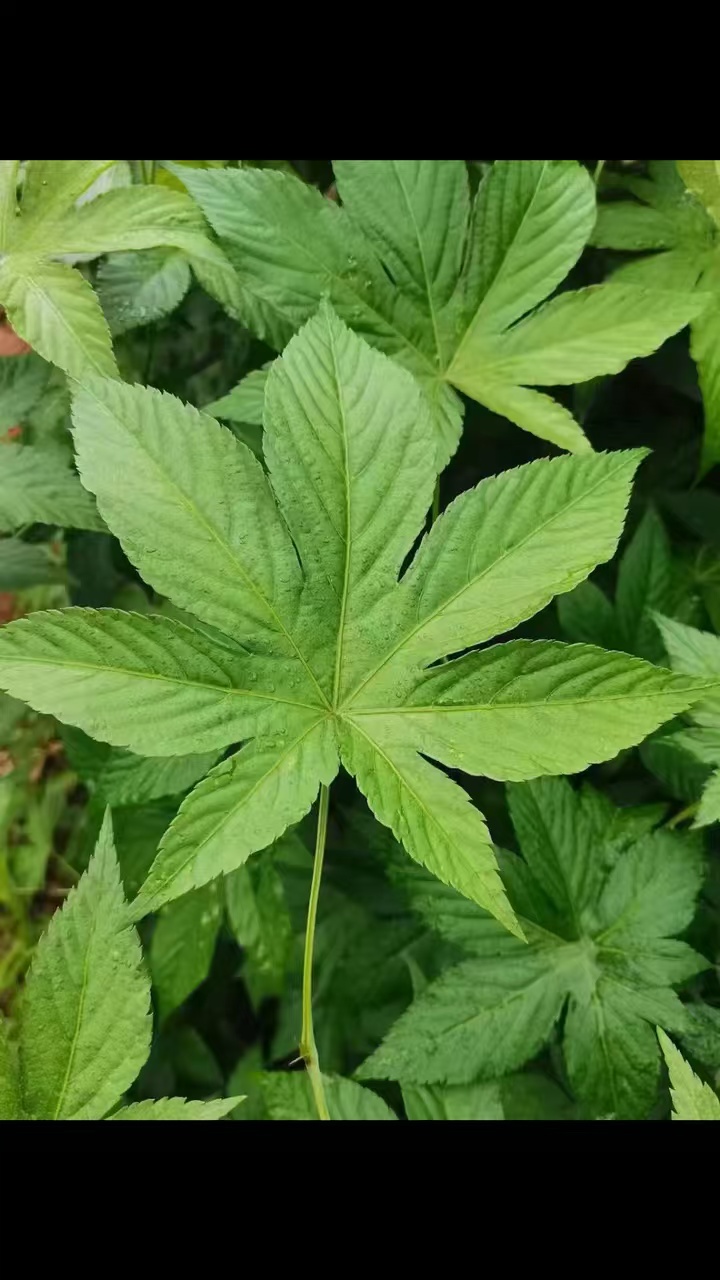
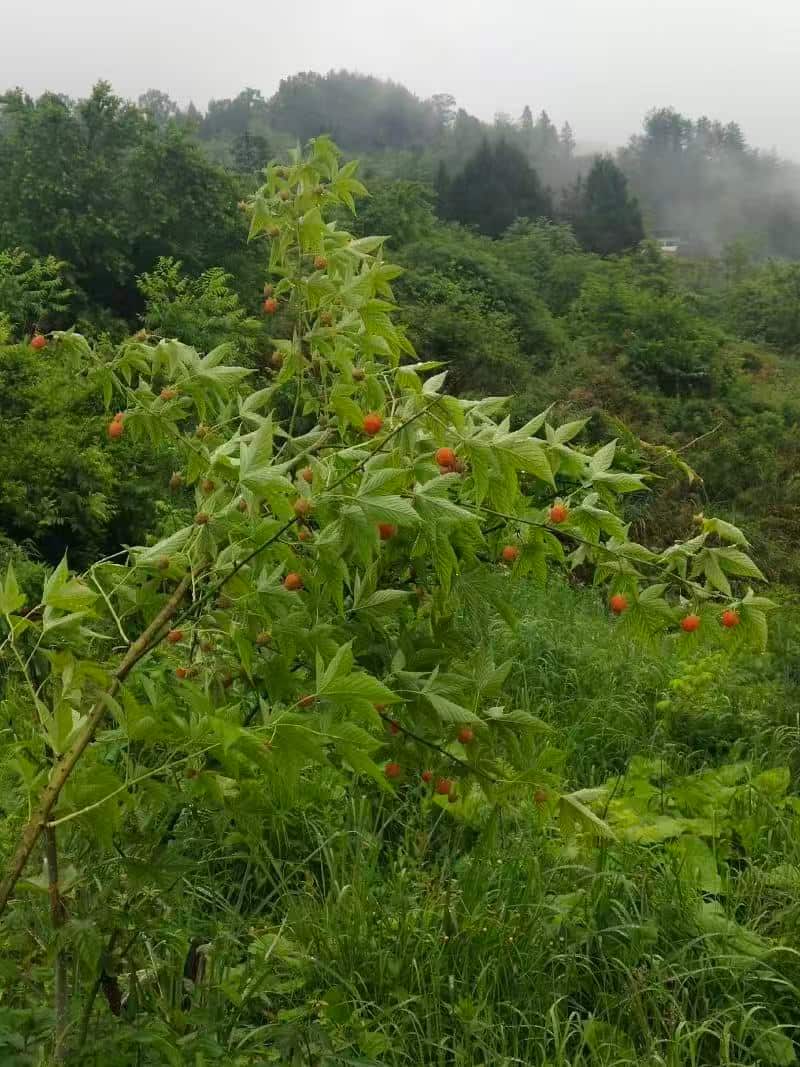
Sweet blackberry leaves, botanically named *Rubus suavissimus*, are leaves of a perennial shrub native to Guangxi, southern China. Locals have brewed them as caffeine-free herbal infusions for centuries. The plant belongs to the rose family, and its unique feature is natural sweetness coming from rubusoside, a zero-calorie diterpene glycoside, rather than sucrose.
This herb is widely known as Chinese sweet tea in botanical and functional food markets. Unlike common blackberry leaves (*Rubus fruticosus*) sold in Western herbal shops, sweet blackberry leaves contain abundant rubusoside, polyphenols and flavonoids, which are the core bioactive compounds drawing research attention for metabolic support. It is important to clarify at the beginning: sweet blackberry leaf products are dietary supplements, not pharmaceutical drugs. They cannot cure diabetes or replace prescription anti-diabetic medication. All supporting evidence is mostly from preclinical research, and large-scale human clinical trials are still limited.
2. Why Can It Manage Blood Sugar
The blood glucose-supporting potential of sweet blackberry leaves comes from two major groups of bioactive substances: rubusoside and polyphenols.
Rubusoside delivers strong sweetness but will not be broken down into glucose in the human digestive tract. This characteristic makes it an ideal sugar substitute. Replacing table sugar, syrups and sugary drinks with sweet blackberry leaf preparations directly cuts added sugar intake and lowers overall glycemic load after meals, which is the most straightforward way it helps stabilize blood sugar levels.
Beyond zero-calorie sweetness, polyphenols and flavonoids in the leaves are studied for insulin sensitivity. Chronic low-grade inflammation is one key driver of insulin resistance, the root problem for prediabetes and type 2 diabetes. Preclinical lab and animal studies show these phytochemicals can ease inflammatory reactions in adipose tissue, helping preserve insulin function and blunt sharp postprandial blood glucose spikes.
Many buyers confuse it with stevia. Both are zero-calorie natural sweeteners, yet they differ greatly. Stevia is from the Asteraceae family, while sweet blackberry leaf is a Rubus shrub. Rubusoside has a cleaner taste with less bitter aftertaste than steviol glycosides, plus a unique polyphenol profile linked to metabolic balance.
One critical caveat: current supporting data are mainly cell and animal studies. Human trials are limited and results vary between individuals. Its effect is mild and auxiliary, not therapeutic. It will not reverse diabetes on its own.
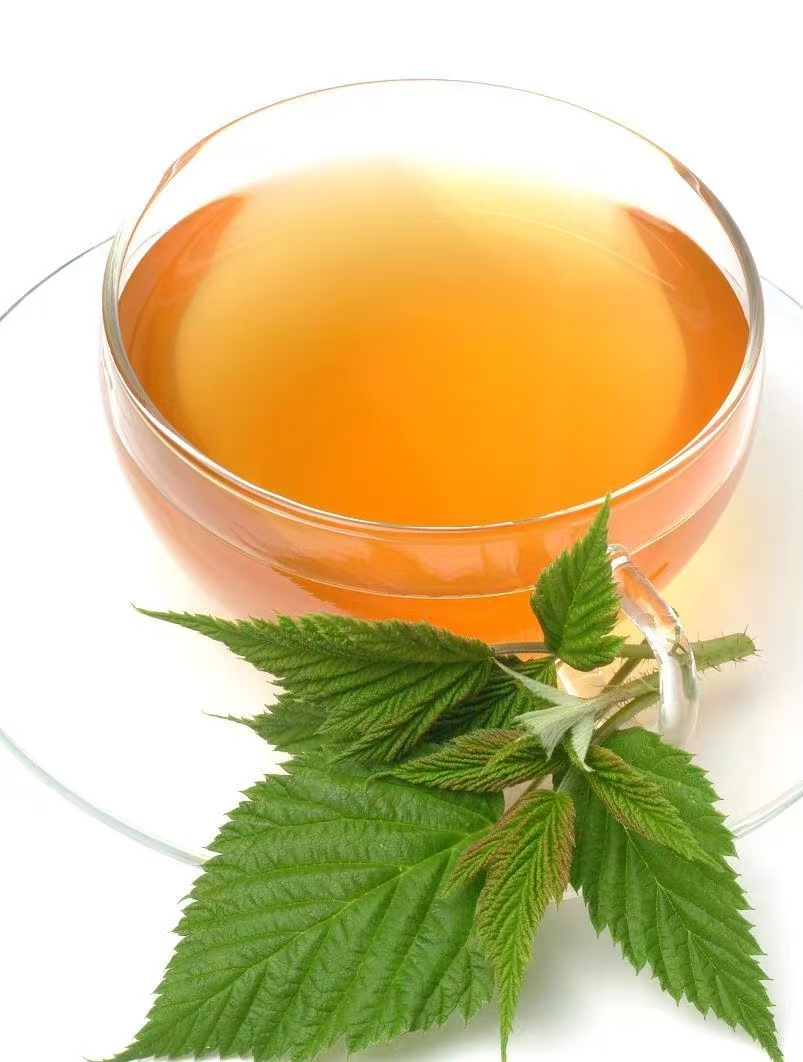
3. How to Consume Blackberry Leave Products
Sweet blackberry leaf products are available as dried raw leaves, tea bags and standardized extract powder. There are simple, safe ways for daily consumption.
The classic method is hot infusion. Steep dried sweet blackberry leaves in hot water for 5–10 minutes to make herbal tea. Drinking it together with meals is a common practice, replacing soda, sweetened coffee or fruit juice. The mild sweet flavour makes it easy to take without extra sugar. The leaf extract powder can also be mixed into oatmeal, plain yogurt or other beverages as a natural sweetener.
Safety rules should never be ignored.
1) Start with a small serving. High doses may trigger mild gastrointestinal discomfort, including bloating or loose stool.
2) If you take insulin or oral hypoglycemic medicine, closely monitor blood glucose. Combining herbal supplements with diabetes drugs raises hypoglycemia risk.
3) Special groups including pregnant women, breastfeeding mothers and patients with severe liver or kidney disease must consult healthcare providers before use.
4) Never stop, reduce or adjust prescription medicines based only on taking sweet blackberry leaf products.
4. Conclusion
As a complementary daily dietary option, sweet blackberry leaves work best paired with balanced meals and regular physical activity. It is a helpful natural tool for people wanting to cut sugar intake and support metabolic wellness, yet responsible use and medical supervision remain essential.
Disclaimer: This article is for educational purposes only. It does not constitute medical advice. Sweet blackberry leaves cannot diagnose, treat or cure diabetes or any disease. Please consult your physician before using herbal supplements, especially if you have metabolic conditions or take prescription medicines.
Dear friends, if you are interested in our Blackberry Leaves products, please feel free to write to our company:
Contact Person: Norman
EMAIL: norman@pnp6.com
Phone: +86-771-5471096
CELL: 13397701126
WEBSITE: http://www.pnp6.com
Tel: 18074804455
Mailbox: pnp6@pnp6.com
URL: http://www.pnp6.com
Address: ADD: TENGKOU WAN, GROUP ONE, HUANGCUN VILLAGE, LING JING TOWN, TENG COUNTY, WUZHOU, GUANGXI,CHINA