FAKE Cassia
Cinnamon Cassia is one of the world’s oldest
traded spices and medicinal barks. In the Chinese spice and herbal markets, the
term “cassia” normally refers to authentic Chinese cinnamon, botanically named
*Cinnamomum cassia*. Yet a frequent adulterant known as mountain cinnamon, or
“fake cassia”, often enters supply chains. Mountain cinnamon generally comes
from related Lauraceae species such as *Cinnamomum japonicum*, *Cinnamomum
burmannii* or *Cinnamomum austrosinense*. While it looks similar, mountain
cinnamon differs sharply in aroma, active compounds, flavour profile and
medicinal value. Buyers, food processors and herbal practitioners need reliable
identification methods to avoid economic losses and safety risks.
Visual inspection is the first step to
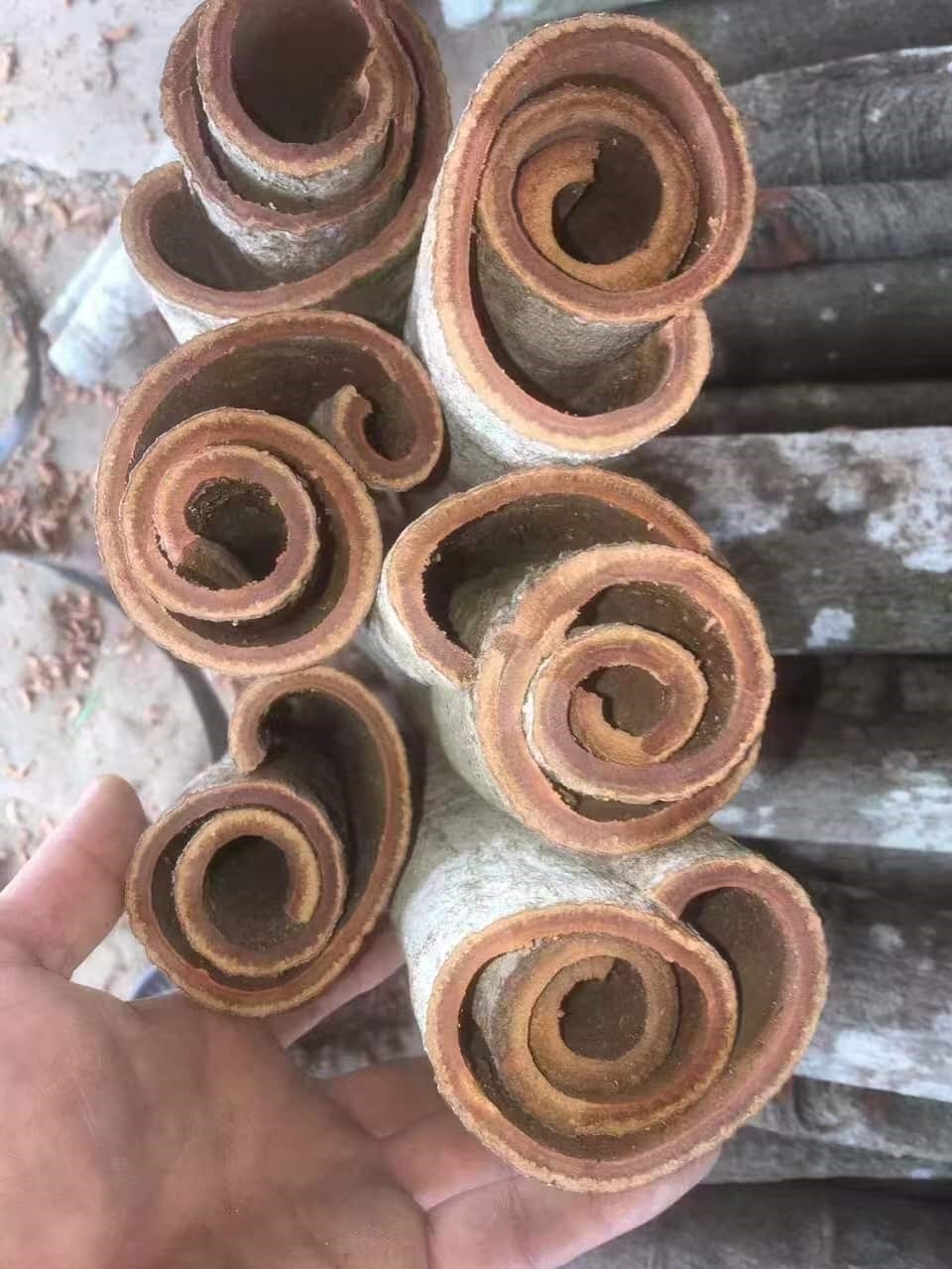
separate genuine Chinese cinnamon from mountain cinnamon. Authentic Chinese
cinnamon bark is thick, usually 3–8 millimetres, reddish-brown to dark brown on
the outer surface. Its outer bark is slightly rough with irregular lenticels,
while the inner surface is smooth, deep reddish-brown and marked with fine
longitudinal striations. When broken, the fracture is granular and slightly
oily, because the bark contains abundant oil glands. Most pieces curl into
single-layer quills or channel-shaped segments.
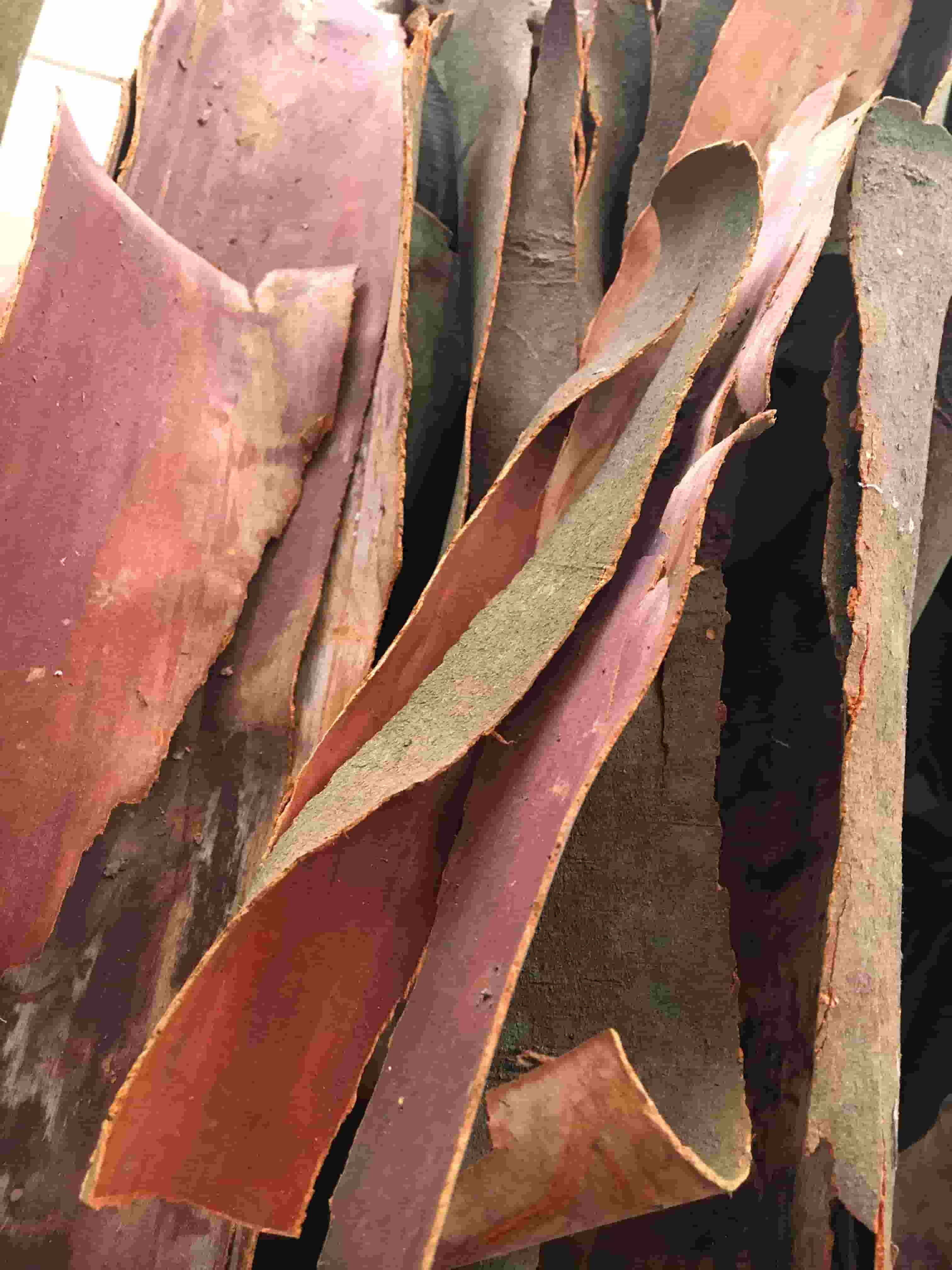
Mountain cinnamon, by contrast, tends to be
thinner, greyish-brown or pale brown on the outside. Its outer cork layer is
thicker and rougher. The inner face is lighter yellowish-brown. Its fracture is
dry, fibrous and non-oily. It rarely forms tight, heavy quills; most fragments
are flat or loosely curled. Mountain cinnamon pieces are often uneven in
thickness, with more woody residues attached.
Aroma and taste offer another clear
distinction. True Chinese cinnamon releases a rich, warm, sweet-spicy fragrance
dominated by cinnamaldehyde. The scent lingers steadily. When you chew a small
sliver, it tastes sweet first, then strongly pungent and spicy, with a lasting
warm sensation in the mouth. The oily flavour coats the tongue.
Mountain cinnamon’s smell is weaker,
thinner and less rounded. It may carry a faint camphoraceous or woody undertone
instead of the classic sweet-spicy cinnamon note. Chewing it yields a mild,
bitter or astringent taste. The spicy kick is fleeting, with no lingering oily
sweetness. Some batches even show a stale wood odour after storage. This is
because mountain cinnamon contains far less cinnamaldehyde and more eugenol or
camphor compounds.
Chemical profiling is the definitive
authentication method for commercial shipments. Chinese cinnamon has high
cinnamaldehyde content, the marker compound responsible for its signature
flavour and traditional warming properties. Mountain cinnamon has low
cinnamaldehyde and variable levels of coumarin and safrole derivatives. Excess
coumarin raises liver-concern risks for long-term consumption. For food and
herbal compliance, lab tests such as HPLC or GC-MS can confirm marker compounds
and rule out adulteration, especially for ground cinnamon where visual checks
become impossible.
Market adulteration happens for simple
economic reasons. Mountain cinnamon grows widely in wild mountainous areas and
costs much less to harvest. Unscrupulous suppliers mix or fully replace genuine
cassia with mountain cinnamon to cut costs. The problem is worse for broken
bark and cinnamon powder. End users receive inferior flavour, reduced medicinal
potency, and may breach food safety standards when coumarin limits are
exceeded.
For field buyers, a simple practical
checklist works alongside lab testing. First, check colour and thickness:
heavy, dark reddish oily bark points to real Chinese cinnamon. Second, do the
odour test after lightly scraping the inner surface. Third, perform a taste
test with a tiny piece. Fourth, inspect the break surface for oil specks. If
the bark is thin, pale, dry-fibrous, weakly aromatic and bitter, it is most
likely mountain cinnamon.
It is vital to note that mountain cinnamon
is not toxic in small incidental doses. The core issue is misrepresentation. It
cannot replace Chinese cinnamon for spice formulation, traditional herbal
applications or export commodity standards. International spice buyers and
herbal importers must build inspection protocols at origin warehouses to block
fake cassia before shipping.
In summary, Chinese cinnamon and mountain
cinnamon belong to the same plant family but deliver vastly different quality.
Visual traits, aroma, taste and chemical markers together create a robust
identification system. Mastering these distinctions protects product quality,
brand reputation and consumer safety in global spice trade.
Dear friends, if you are interested in Cassia/cinnamon
products, please feel free to write to our company:
Contact Person: Norman
EMAIL: norman@pnp6.com
Phone: +86-771-5471096
CELL: 13397701126
Tel: 18074804455
Mailbox: pnp6@pnp6.com
URL: http://www.pnp6.com
Address: ADD: TENGKOU WAN, GROUP ONE, HUANGCUN VILLAGE, LING JING TOWN, TENG COUNTY, WUZHOU, GUANGXI,CHINA