Introduction
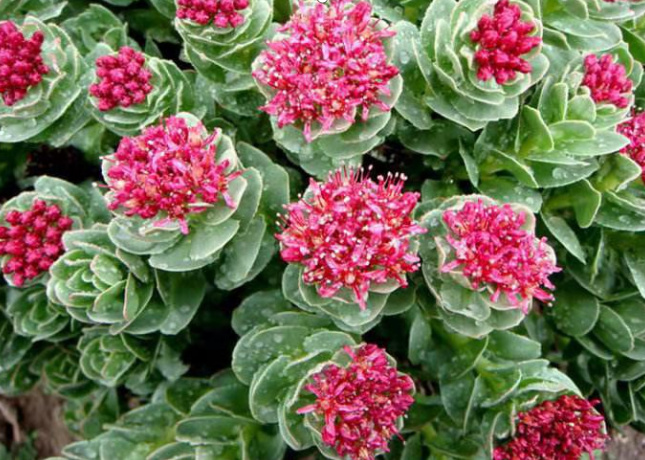
In traditional Chinese medicine (TCM), Rhodiola crenulata is valued for its ability
to supplement qi, invigorate blood, unblock meridians, and relieve panting. Its
dried root and rhizome are indicated for qi deficiency with blood stasis, chest
impediment and heart pain, hemiplegia caused by wind-stroke, fatigue, and
panting. This article explores how Rhodiola can be used—both alone and in
combination with other herbs—for these two conditions, based on TCM theory and
modern pharmacological research.
Understanding the TCM Context
Angina pectoris refers to a pattern of qi
deficiency with blood stasis, where insufficient qi fails to propel blood flow,
leading to stasis that obstructs the chest and causes pain. Stroke hemiplegia describes the aftermath of a cerebrovascular
event, where blood stasis obstructs the meridians, resulting in unilateral
paralysis, numbness, slurred speech, and facial deviation.
Rhodiola's core actions—supplementing qi and invigorating blood—directly address the root
pathology of these conditions.
Using Rhodiola Alone
For mild cases or as a preventive measure,
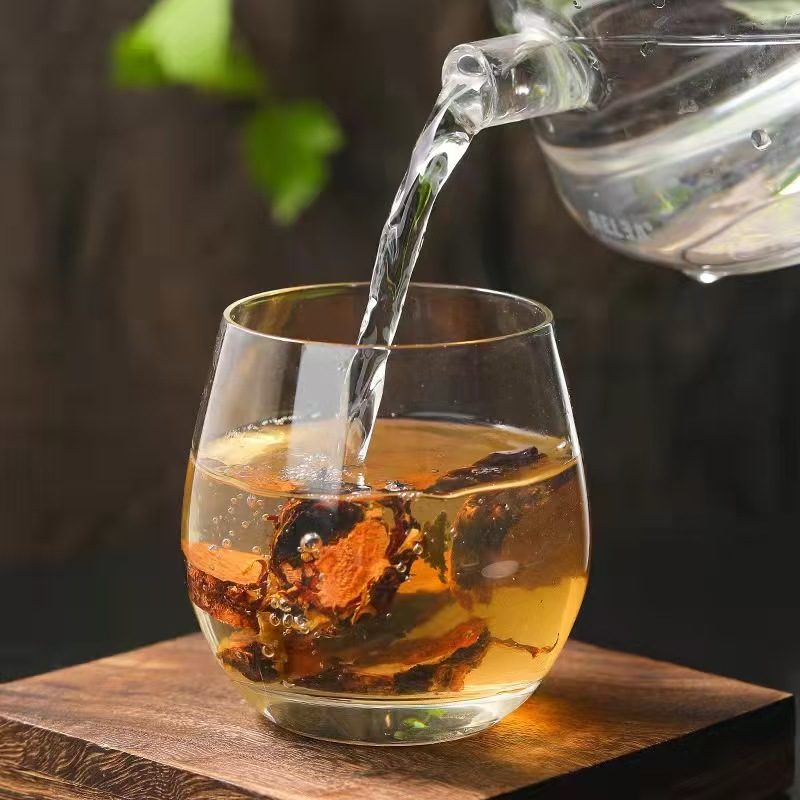
Rhodiola can be used as a single herb. The most common form is a decoction: 3–9
grams of dried Rhodiola root and rhizome are boiled in water and taken daily.
It is also available as capsules; one clinical trial on coronary artery disease
with angina pectoris used DaZhu Rhodiola Rosea Capsules at a dosage of 4
capsules, three times daily.
Combination Formulas
In clinical practice, Rhodiola is rarely
used alone. It is typically combined with other herbs to enhance therapeutic
effects:
· With Astragalus and Notoginseng: For Angina pectoris due to qi
deficiency with blood stasis, Rhodiola is often paired with Astragalus
membranaceus to strongly supplement qi, and Panax notoginseng to invigorate blood and relieve pain. This
combination addresses both the root (qi deficiency) and the branch (blood
stasis).
· With Salvia or Corydalis : For predominant blood stasis
manifesting as chest pain and stuffiness, Rhodiola can be combined with Salvia
miltiorrhiza or Corydalis yanhusuo to enhance blood-moving and pain-relieving
effects.
· With Snakegourd Fruit and Macrostem Onion : For coronary heart
disease with stabbing chest pain, Rhodiola may be paired with Trichosanthes
fruit and Allium macrostemon —a classic
TCM combination for dispersing chest stuffiness and relieving pain.
· With Astragalus in Large Doses: For stroke hemiplegia of the
qi-deficiency-with-blood-stasis type, Rhodiola combined with a large dose of
Astragalus has shown clinical effectiveness.
· With Skullcap : Modern network
pharmacology research has identified that the herb pair of Scutellaria
baicalensis and Rhodiola may exert
therapeutic effects against ischemic stroke through anti-inflammatory pathways,
with kaempferol, salidroside, and baicalein as key active compounds.
· With Sichuan Lovage Rhizome : Rhodiola
and Ligusticum chuanxiong (Chuanxiong) are both commonly used for
circulation-related disorders including ischemic stroke. Preclinical studies
have demonstrated that this herb-pair decoction can reduce cerebral infarct
size, improve survival rates, and promote motor function recovery in animal models
of ischemic stroke.
· With other adaptogens: For comprehensive
cardiovascular and cerebrovascular support, Rhodiola may be combined with
Ginkgo biloba, Panax notoginseng, and Ligusticum chuanxiong.
Modern Pharmacological Evidence
Modern research supports Rhodiola's
traditional uses:
· Cardiovascular protection: Rhodiola
exhibits anti-myocardial ischemia-reperfusion injury, lipid-lowering,
antithrombotic, and antiarrhythmic effects. It protects cardiovascular
endothelial cells and inhibits platelet aggregation. Salidroside, a major
active component, has been shown to attenuate cardiac dysfunction, myocardial
hypertrophy, and cardiac inflammation in animal models.
· Neuroprotection in stroke: Rhodiola and
its components (salidroside, rosavin) have demonstrated neuroprotective effects
against cerebral ischemia/reperfusion injury. These effects are mediated
through antioxidant, anti-apoptotic, anti-inflammatory activities, and
alleviation of blood-brain barrier damage.
· Clinical application for angina: A
clinical trial (NCT03633890) is evaluating the efficacy and safety of DaZhu
Rhodiola Rosea Capsule for coronary artery disease with angina pectoris,
assessing angina symptoms, exercise capacity, and quality of life. Another
study (NCT04218916) is investigating Rhodiola's effects on coronary flow
reserve in patients with microvascular angina.
Important Considerations
1. TCM pattern differentiation: Rhodiola is
specifically indicated for qi deficiency with blood stasis. It is not suitable
for all cases of chest pain or stroke. A proper TCM diagnosis is essential.
2. Dosage and administration: Typical
dosages range from 3–9 grams in decoction. Commercial preparations vary; always
follow product instructions or a practitioner's guidance.
3. Safety and contraindications: Rhodiola
is generally well-tolerated but may cause dizziness, dry mouth, or increased
salivation. It should be used with caution in patients taking anticoagulants,
antihypertensives, or antidepressants due to potential interactions. Pregnant
and breastfeeding women should avoid its use.
4. Not a standalone treatment: For acute
chest pain or stroke, immediate emergency medical care is critical. Rhodiola
and TCM formulas are best used as adjunctive therapies during recovery or for
secondary prevention, under professional supervision.
Conclusion
Rhodiola offers a promising adjunctive
approach for managing Angina pectoris and stroke hemiplegia, particularly in
patterns of qi deficiency with blood stasis. Its effects are enhanced when
combined with compatible herbs such as Astragalus, Notoginseng, Salvia, or
Chuanxiong, tailored to the individual's specific pattern. Modern research
continues to validate its cardiovascular and neuroprotective properties, though
clinical use should always be guided by qualified practitioners.
Dear friends, if you are interested in Rhodiola
products, please feel free to write to our company:
Contact Person: Michael
EMAIL: michael@pnp6.com
Phone: +86-771-5471096
CELL: 18074804455
WEBSITE: http://www.pnp6.com
Tel: 18074804455
Mailbox: pnp6@pnp6.com
URL: http://www.pnp6.com
Address: ADD: TENGKOU WAN, GROUP ONE, HUANGCUN VILLAGE, LING JING TOWN, TENG COUNTY, WUZHOU, GUANGXI,CHINA