Cardiovascular and cerebrovascular diseases
have become one of the most common chronic health threats worldwide, mainly
caused by oxidative stress, chronic inflammation, poor blood circulation, and
vascular aging. Long-term sub-health conditions such as high blood lipid
levels, vascular stiffness, and insufficient cerebral blood supply can further
induce various discomforts and even serious illnesses. As a classic medicinal
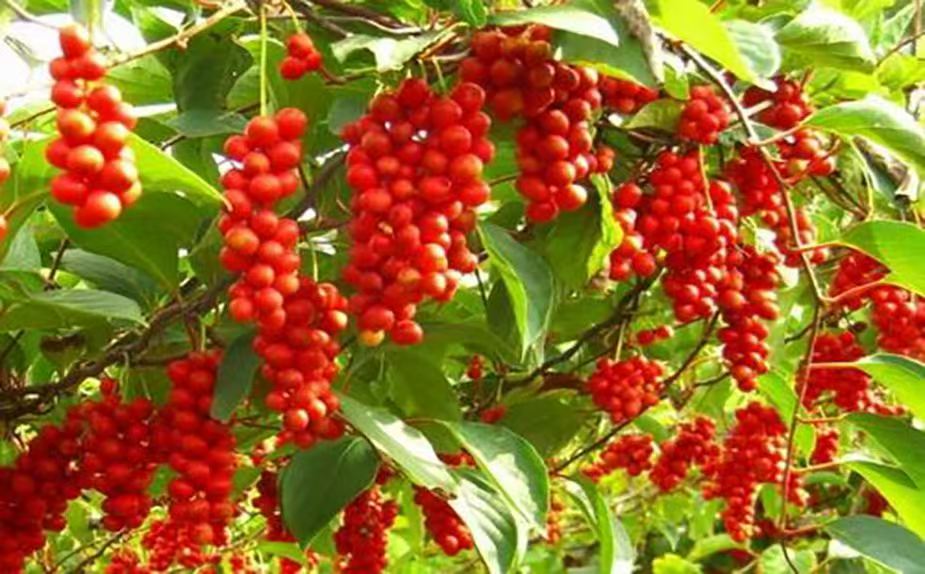
and edible herb in traditional Chinese medicine (TCM), Schisandra chinensis has
been used for thousands of years to nourish qi, promote blood circulation, and
tonify the heart and brain. Modern pharmacological studies have confirmed that
its rich active ingredients can effectively protect the cardiovascular and
cerebrovascular systems, providing a natural and gentle way for daily health
regulation.
The core regulatory effect of Schisandra
chinensis on cardiovascular and cerebrovascular health stems from its unique
active components, mainly including schisandrin, schisandrin B, and various
lignans. These natural compounds exert protective effects through multiple
biological pathways. First of all, they have powerful antioxidant properties.
Oxidative stress is a key factor leading to vascular damage and myocardial
aging. Schisandra chinensis extract can significantly enhance the activity of
antioxidant enzymes such as SOD and GPx in the human body, reduce the
accumulation of malondialdehyde (MDA) and reactive oxygen species (ROS), and
effectively inhibit lipid peroxidation of vascular walls, thereby delaying
vascular aging and maintaining vascular elasticity.
Secondly, Schisandra chinensis plays a
vital role in protecting myocardial cells and stabilizing heart function.
Studies have shown that its active ingredients can regulate the mitochondrial
apoptosis pathway of cardiomyocytes, inhibit the excessive apoptosis of
myocardial cells caused by ischemia and hypoxia, and repair mild myocardial
damage. It can also improve the heart’s antioxidant defense system, reduce
cardiotoxicity caused by external stimuli and metabolic disorders, relieve
myocardial fatigue, and stabilize heart rhythm. For people with long-term
mental stress, insomnia and palpitations caused by insufficient heart qi,
Schisandra chinensis can soothe the nerves and tonify the heart, fundamentally
improving functional discomforts of the cardiovascular system.
In terms of cerebrovascular health care,
Schisandra chinensis improves cerebral blood circulation and protects nerve and
vascular tissues. It can dilate microvessels, accelerate blood flow velocity,
and alleviate the problem of insufficient cerebral blood supply caused by
vascular stenosis and blood stasis. Meanwhile, its anti-inflammatory and
anti-apoptotic effects can reduce inflammatory damage to cerebral vascular
endothelial cells, prevent vascular endothelial hyperplasia and sclerosis, and
reduce the risk of cerebral vascular blockage. In addition, by regulating the
nervous system, it can relieve dizziness, brain fatigue, and poor concentration
caused by cerebral blood circulation disorders, and protect cognitive function.
To exert the best cardiovascular and
cerebrovascular regulatory effects, standardized and scientific consumption
methods of Schisandra chinensis are essential. The most common daily regimen is
Schisandra chinensis tea. Take 3 to 5 grams of dried Schisandra chinensis
fruits, brew with boiling water, and simmer for 5 to 10 minutes. Long-term
moderate drinking can help clear vascular free radicals, promote blood
circulation, and soothe the heart and calm the mind. For better efficacy, it
can be paired with hawthorn and chrysanthemum: hawthorn assists in reducing
blood lipids and dredging blood vessels, while chrysanthemum clears heat and
protects blood vessels, forming a synergistic regulatory effect on
cardiovascular and cerebrovascular health.
For people with obvious sub-health symptoms
such as frequent palpitations, dizziness, and physical fatigue, moderate
consumption of Schisandra chinensis extract or concentrated capsules is a more
efficient choice. Standardized extracts can retain high-purity lignans and
schisandrins, which are easier for the human body to absorb and can quickly
improve vascular antioxidant capacity and heart and cerebral blood supply. It
is recommended to follow professional dosage guidelines and avoid excessive
intake for a long time.
Despite its excellent health benefits,
Schisandra chinensis regulation also requires attention to applicable crowds
and taboos. It is a warm-natured tonic herb, so people with excessive internal
heat, acute inflammation, or high fever should suspend consumption to avoid
aggravating symptoms. Pregnant women, lactating women, and patients taking
cardiovascular special medications need to consult a professional doctor before
use to prevent drug interactions. In addition, herbal regulation is a long-term
auxiliary method, which cannot replace professional medical treatment. Patients
with confirmed cardiovascular and cerebrovascular diseases must adhere to
standardized treatment and use Schisandra chinensis for daily health care as an
adjunct.
In conclusion, Schisandra chinensis is a
natural and safe medicinal herb for cardiovascular and cerebrovascular health
regulation. Relying on its powerful antioxidant, anti-inflammatory,
vascular-protective and myocardial-nourishing effects, it can effectively
improve vascular health, optimize heart and cerebral blood circulation, and
relieve various sub-health discomforts. With scientific consumption and
rational conditioning, Schisandra chinensis can help people maintain the
stability of the cardiovascular and cerebrovascular system, reduce the risk of
chronic vascular diseases, and lay a solid foundation for long-term physical
health.
Dear friends, if you are interested in astragalus
products, please feel free to write to our company:
Contact Person: Michael
EMAIL: michael@pnp6.com
Phone: +86-771-5471096
CELL: 18074804455
WEBSITE: http://www.pnp6.com
Tel: 18074804455
Mailbox: pnp6@pnp6.com
URL: http://www.pnp6.com
Address: ADD: TENGKOU WAN, GROUP ONE, HUANGCUN VILLAGE, LING JING TOWN, TENG COUNTY, WUZHOU, GUANGXI,CHINA