According to the American Journal of
Clinical Nutrition (2020 systematic review): findings from 12 high-quality
clinical studies confirms that active components in ginger such as gingerol and
shogaol can improve insulin sensitivity through antioxidant and
anti-inflammatory effects, helping the body utilize glucose more efficiently
and reduce blood sugar fluctuations.
Many people with prediabetes, insulin
resistance or regular post-meal blood sugar spikes are looking for simple,
natural solutions to keep glucose in check. Ginger is a common kitchen
ingredient supported by numerous clinical studies and meta-analyses for its blood
sugar-friendly properties. Yet most guides only talk about its benefits,
skipping the actionable routines, exact dosages and best timing that actually
deliver real results.
Ginger’s key active compounds are gingerol
and shogaol. Research shows these substances improve insulin sensitivity, slow
down the breakdown and absorption of carbohydrates, and ease chronic
inflammation that drives persistent high blood sugar. Consistent intake has
been linked to lower fasting blood glucose, milder post-meal sugar surges, and
gradual improvements in HbA1c, the long-term marker of blood sugar control.
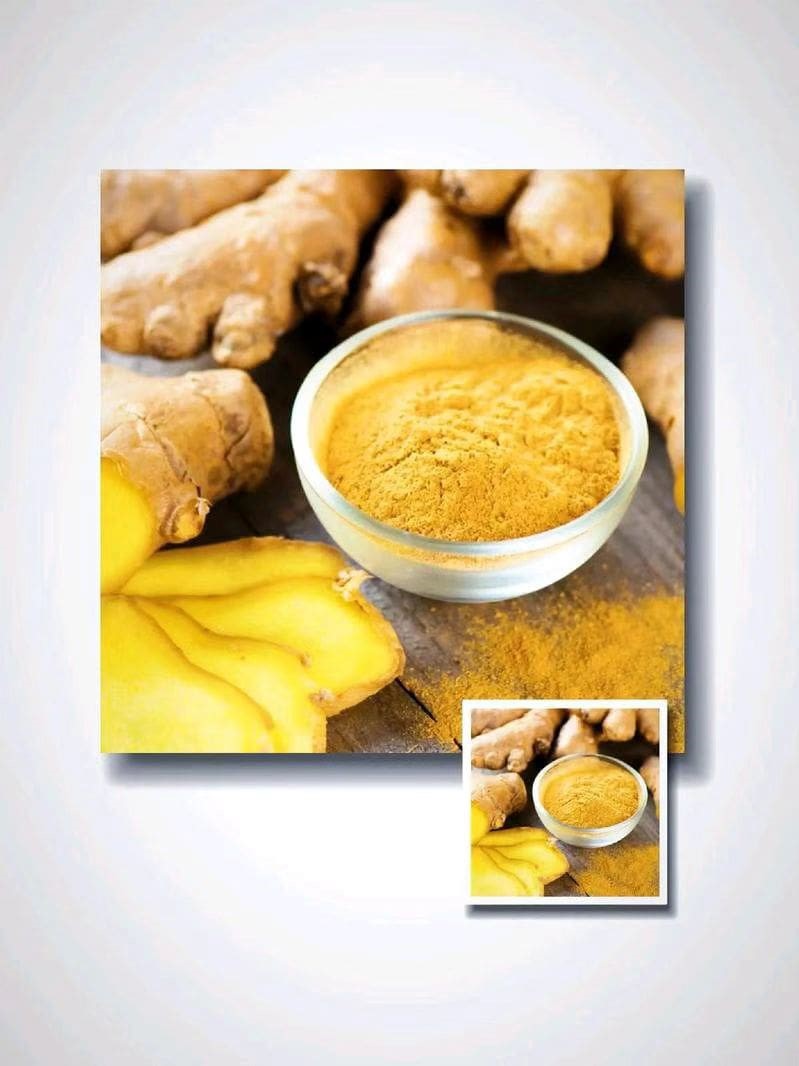
Whether you use fresh ginger or ginger powder, following the right method is
what makes the difference.
## Practical Daily Ginger Recipes for
Blood Sugar Management
All the recipes below align with dosages
used in clinical trials, easy to prepare and suitable for long-term daily use.
### 1. Post-Meal Ginger Water (Targets
postprandial blood sugar spikes)
This method is proven to reduce sharp
glucose rises after eating starchy meals like rice, noodles or bread.
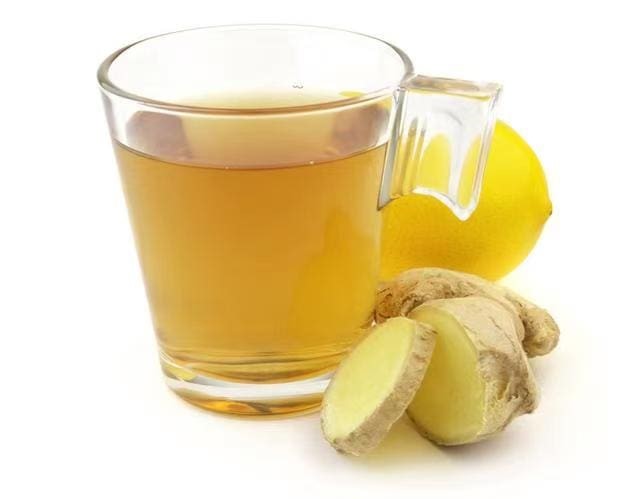
Slice 4–5 grams of fresh ginger (around 4–5
thin slices), steep in 250ml warm water for 5 minutes. Do not add sugar, honey
or any sweetener. Drink it right after lunch and dinner.
Taking ginger water after meals slows carb
absorption, preventing sudden blood sugar spikes and lowering strain on the
pancreas. Avoid drinking it on an empty stomach, as it offers no extra glycemic
benefits and may irritate the digestive tract.
### 2. Pre-Breakfast Ginger Drink (For
high fasting morning blood sugar)
If your fasting blood sugar is consistently
elevated, this routine is backed by meta-analysis data for long-term
improvement.
Boil 5 grams of fresh ginger in water for 3
minutes, let it cool to a comfortable temperature, and drink 30 minutes before
breakfast.
Sticking to this habit for 8–12 weeks helps
stabilize fasting glucose and balance overall metabolic function.
### 3. Ginger Powder for Busy Schedules
For people who don’t have time to prepare
fresh ginger, pure food-grade ginger powder works just as well in clinical
trials.
Mix 1–2 grams of ginger powder into warm
water, unsweetened oatmeal or plain yogurt each day. This convenient option
effectively improves insulin resistance and supports steady HbA1c control over
time.
## Evidence-Based Daily Dosage
Many users see no effects because they take
too little ginger. Clinical research sets clear dosage guidelines:
- Maintenance dosage (prediabetes, high-risk
groups): 3–5g fresh ginger per day
- Intervention dosage (persistent high
blood sugar): 5–8g fresh ginger daily
- Safe upper limit: No more than 10g per
day
Intake below 3 grams daily is too low to
produce measurable improvements in blood sugar markers, according to trial
observations.
## Key Rules to Maximize Results
Studies confirm consistency matters far
more than large occasional doses. Daily use for 8–12 weeks creates sustainable
glycemic improvements, while sporadic intake has almost no effect. Never add
sweeteners, as sugar will completely cancel out ginger’s metabolic benefits.
Ginger works best alongside balanced, low-refined-carb meals; it supports metabolism
but cannot offset excessive sugar or refined carbohydrate intake.
## Safety Notes
Ginger is well-tolerated and safe for most
adults, per placebo-controlled clinical trials. It reduces oxidative stress and
helps protect pancreatic cells with minimal side effects. Important: ginger is
a dietary supportive aid, not a replacement for prescription diabetes
medication. Anyone taking glucose-lowering drugs should keep their regular
treatment while adding ginger as a complementary habit. People with stomach
ulcers or sensitive digestion should reduce their daily dosage accordingly.
## Conclusion
Solid scientific research validates ginger
as a reliable natural helper for managing high blood sugar. Real improvements
come from sticking to the correct dosage, choosing the right intake time, and
following simple daily recipes. By adding these easy ginger habits into your
routine, you can effectively reduce blood sugar spikes, enhance insulin
sensitivity, and maintain long-term metabolic health in a natural way.
Dear friends, if you are interested in
Ginger products, please feel free to write to our company:
Contact Person: Michael
EMAIL: michael@pnp6.com
Phone: +86-771-5471096
CELL: 18074804455
WEBSITE: http://www.pnp6.com
Tel: 18074804455
Mailbox: pnp6@pnp6.com
URL: http://www.pnp6.com
Address: ADD: TENGKOU WAN, GROUP ONE, HUANGCUN VILLAGE, LING JING TOWN, TENG COUNTY, WUZHOU, GUANGXI,CHINA