For
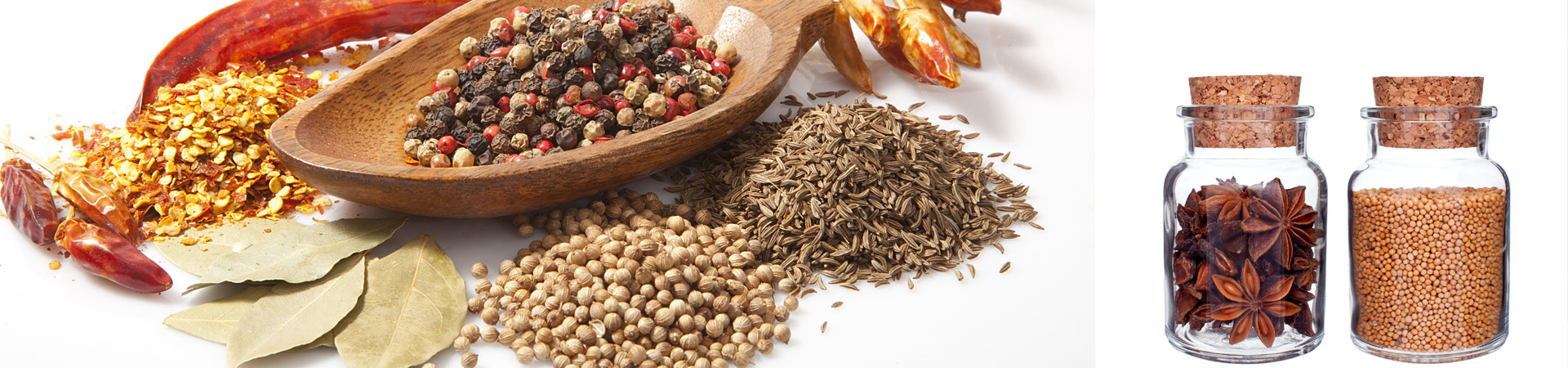
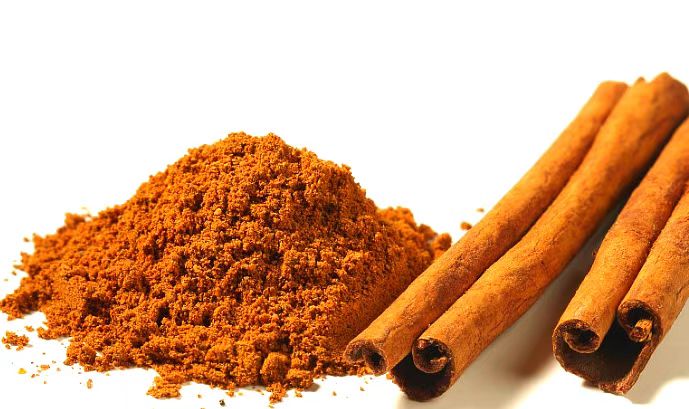
thousands of years, cinnamon has been cherished across civilizations as a warm,
aromatic spice that flavors everything from festive baked goods to savory
stews. Today, cutting-edge scientific research is uncovering a surprising new
side of this everyday ingredient: its potential to promote longevity and
support healthy aging, backed by rigorous studies published in top
international scientific journals.
Cinnamon Anti-Aging: The Aging Cell Study That Shocked Longevity Science
A
landmark 2025 study published in the authoritative journal Aging Cell — co-led
by researchers from Huazhong University of Science and Technology and the
University of Michigan — delivered the first concrete evidence linking dietary
cinnamon to anti-aging effects. The research focused on cinnamaldehyde (CA),
the primary active compound that gives cinnamon its signature sweet, spicy
scent.
In
experiments using C. elegans (a widely accepted model organism for aging
research), the team found that feeding the worms cinnamaldehyde extended their
lifespan in a dose-dependent manner. Low concentrations of CA (5μM and 25μM)
worked best to boost longevity in young and middle-aged subjects, while a
higher concentration (100μM) delivered more noticeable benefits for those in
later life stages.
What
makes this finding stand out is its mechanism: cinnamaldehyde acts as a dietary
restriction mimetic. It triggers the same
cellular benefits that come from controlled, nutrient-balanced eating — a
proven method to extend lifespan — without forcing subjects to reduce their
food intake. This means it could deliver anti-aging perks without the
challenges of strict calorie limitation.

Cinnamaldehyde Longevity Hack: Trigger mTORC1 Autophagy Without Calorie
Cutting
The
study confirmed cinnamaldehyde acts as a powerful dietary restriction mimetic.
It gently inhibits overactive mTORC1 to supercharge autophagy — the body’s
built-in cellular cleanup system — delivering full anti-aging benefits without
forcing you to stick to strict, unsustainable low-calorie diets. Tests also
verified it cuts Alzheimer’s-linked beta-amyloid toxicity, with the exact same
mechanism proven to work in human cells.
How to Take cinnamon Safely Avoiding Liver Strain
As
this accessible healthy aging spice gains popularity, proper use matters most.
Stick to 1–2 grams of cinnamon per day for long-term intake. Avoid
overconsuming common cassia cinnamon, which carries trace coumarin that may
cause mild liver strain in large, daily doses. It is a supportive dietary
addition, never a replacement for professional medical care.
Taboos
No over 5g daily, avoid blood thinners/diabetes meds, skip if pregnant or allergic.
Dear
friends, if you are interested in Cinnamon products, please feel free to write
to our company:
Contact
Person: Michael
EMAIL:
michael@pnp6.com
Phone:
+86-771-5471096
CELL:
18074804455
Tel: 18074804455
Mailbox: pnp6@pnp6.com
URL: http://www.pnp6.com
Address: ADD: TENGKOU WAN, GROUP ONE, HUANGCUN VILLAGE, LING JING TOWN, TENG COUNTY, WUZHOU, GUANGXI,CHINA